
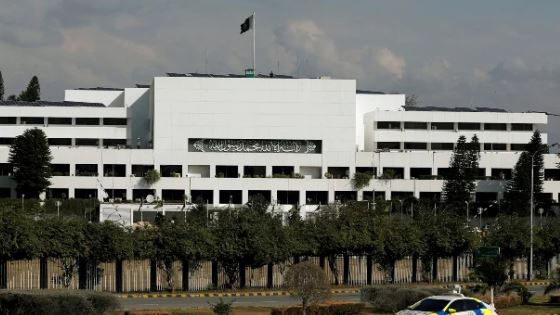
ISLAMABAD: The government has decided to convene the National Assembly’s budget session on Monday, June 1, with the federal budget for the next fiscal year set to be presented later that week, The News reported.
The Senate session to consider the budget proposals will be summoned in the first week of June, with Finance Minister Muhammad Aurangzeb due to present the proposals separately in both houses.
Parliamentary sources told The News on Friday that the final National Assembly session of the current fiscal year has been called for May 11, and the summary for convening it has been sent to the Presidency for approval.
Sources said four weeks had been allocated for the passage of the budget in the lower house, with the process set to conclude on June 28.
The budget proposals would be transmitted to the Senate immediately after their presentation in the NA. The upper house of parliament will have 15 days to finalise its recommendations.
The recommendations would be considered by the government before final approval of the budget, the sources said. Financial experts are of the view that the officials engaged in tabulation of the budget proposals would have to walk a tightrope while shaping proposals since the Middle East war has made the fiscal situation complex.
In the meantime, preparations for the budget are underway, with the finance ministry focusing on sustainable growth, climate-sensitive fiscal policies and strengthening the tax base ahead of the planned exit from the IMF programme in 2027.
The federal government has intensified consultations with key institutions to finalise the financial plan. The budget call circular (BCC) was issued in January to all ministries, asking for submission of budget proposals, including revised estimates for the outgoing year and budget estimates for the next fiscal year.
Sources pointed out that most of the ministries have submitted their budget forms and project details, while the review committee meetings are also underway.
The budget strategy paper is in the process of conclusion, while all budget documents will be finalised towards the last week of May.
The 2026-27 budget is viewed as a channel, designed to transition the economy from IMF supervision stabilisation to self-sustaining growth, although it would be a hard task, experts believe.