A.M.Bhatti
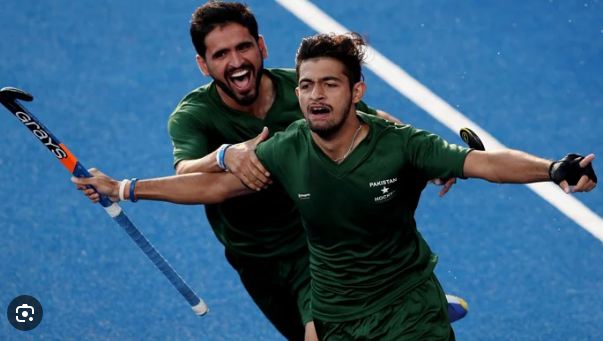
Pakistan’s participation in the ongoing FIH Pro League second round has been marked by heavy defeats and sobering realities. The national team, ranked 12th in the world, lost two pool matches against Belgium, conceding a staggering 12 goals, and another against Germany where they let in 6 goals. These results underline the gulf in class between Pakistan and the world’s top hockey nations, but they also highlight deeper structural issues that continue to plague the sport in the country.
To be fair, Pakistan’s poor results were not entirely unexpected. Belgium and Germany are among the world’s elite hockey teams, boasting professional setups, advanced training facilities, and consistent international exposure. Pakistan, by contrast, entered the Pro League almost by accident. Originally, New Zealand had qualified, but after their withdrawal, Pakistan was invited to fill the slot. This meant Pakistan was thrust into a competition against the very best without adequate preparation or realistic chances of victory.
The defeats, though heavy, should be seen in the context of Pakistan’s current standing. Ranked 12th, Pakistan is far behind the likes of Belgium, Germany, and other Pro League participants who occupy the top tier of world hockey. Competing against them is not just a matter of skill but also of fitness, infrastructure, and long-term planning—areas where Pakistan lags significantly.
While the scorelines are painful, Pakistan’s presence in the Pro League can still be considered valuable. Playing against top-ranked teams offers exposure to the highest level of hockey, something the players rarely experience otherwise. These matches serve as practice opportunities, allowing Pakistan to gauge where they stand and what needs to be improved before major tournaments like the Hockey World Cup.
Facing stronger opponents can also help young players adapt to the pace, intensity, and tactical sophistication of modern hockey. If lessons are drawn constructively, these defeats could become stepping stones toward rebuilding the national team.
However, the real challenge lies not in the defeats themselves but in the systemic issues that have crippled Pakistan hockey for decades. The sport, once the pride of the nation with multiple Olympic and World Cup titles, has been in decline due to mismanagement, lack of continuity, and political interference.
One of the most glaring problems is the absence of a permanent management setup. After every defeat, officials are reshuffled, coaches are replaced, and committees are dissolved. This cycle of instability prevents long-term planning and denies players the consistency they need to develop. Continuity is essential in sports management, and Pakistan’s hockey federation has failed to provide it.
Another critical issue is the lack of proper facilities and support for players. Modern hockey requires advanced training centers, fitness regimes, and sports science support. Pakistani players often train under outdated conditions, with limited access to modern equipment or structured fitness programs. Moreover, many players struggle with financial insecurity, as there are no permanent jobs or contracts to sustain them. Without proper incentives, it is difficult to expect athletes to dedicate themselves fully to the sport.
To revive hockey, Pakistan must invest in better facilities, provide secure employment opportunities for players, and ensure they are treated as professionals rather than amateurs. Only then can the team hope to compete with nations that have embraced professionalism in hockey.
Selection policies also need urgent reform. Currently, politics and favoritism are rampant within the hockey federation. Players are often chosen based on connections rather than merit, undermining the credibility of the team and demoralizing deserving athletes. Honest and competent individuals must be entrusted with the responsibility of managing the sport, and selection should be strictly merit-based. Without transparency, Pakistan hockey will continue to suffer.
Pakistan’s defeats in the Pro League should serve as a wake-up call. The team cannot expect miracles against top-ranked opponents without addressing the fundamental issues at home. A comprehensive overhaul of hockey management is required, focusing on continuity, professionalism, and meritocracy. The federation must stop the cycle of knee-jerk reactions and instead commit to long-term planning.
At the same time, participation in tournaments like the Pro League should be embraced as opportunities for growth. Even if victories are unlikely, the experience gained can help prepare the team for future competitions, including the World Cup. Exposure to high-level hockey is invaluable, but it must be complemented by reforms at the domestic level.
Pakistan hockey’s poor performance in the Pro League second round is disappointing but not surprising. Heavy defeats against Belgium and Germany reflect the current state of the sport in the country. Yet, these losses also highlight the urgent need for structural reforms. With better facilities, stable management, merit-based selection, and professional support for players, Pakistan can begin the long journey back to competitiveness. Until then, participation in elite tournaments will remain more of a learning exercise than a contest for victories.