ISLAMABAD, JUL 5 /DNA/ – The Federation of Pakistan Chambers of Commerce and Industry’s Businessmen Panel (BMP) has urged the federal government to fully pass on the benefit of declining international crude oil prices to trade, industry instead of retaining a heavy tax burden on petroleum products.
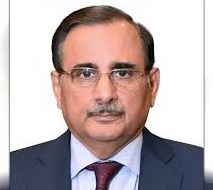
The BMP Chairman and former FPCCI President Mian Anjum Nisar said that cheaper fuel is the fastest and most effective way to reduce the cost of production, ease inflation and revive economic activity.
Mian Anjum Nisar said that international crude oil prices have largely returned to the levels prevailing before the recent Middle East conflict, yet Pakistani consumers and industries have not received relief in the same proportion. He observed that despite lower international prices, the government recently announced only a token reduction of Rs1.97 per litre in petrol and diesel prices after earlier retaining the benefit of falling crude prices through adjustments in petroleum levies.
He said that official price breakdowns show nearly 29 percent of the retail price of petrol and diesel still consists of taxes and levies. Even after the recent revisions, petrol continues to carry around Rs88 per litre in taxes while diesel bears over Rs91 per litre in various taxes and levies. Such a heavy fiscal burden directly increases transportation costs, industrial expenses and inflation across the economy.
The BMP Chairman said that although the government has introduced a Climate Support Levy under its fiscal reform programme, the overall burden on fuel consumers remains high. He said climate resilience is an important national objective, but the financing of environmental initiatives should not come at the expense of industrial competitiveness, economic growth and the purchasing power of ordinary citizens. The government should review all petroleum-related levies, including the Climate Support Levy, and gradually reduce the overall tax burden as international oil prices decline.
Mian Anjum Nisar observed that whenever international crude oil prices increase, domestic petroleum prices are revised upward almost immediately. However, when global prices fall, consumers and businesses often receive only limited relief because a significant portion of the benefit is absorbed through taxes and levies. Such a pricing mechanism deprives the economy of the positive impact of lower energy costs and weakens business confidence.
He said Pakistan’s industrial sector is already facing multiple challenges, including expensive electricity, high borrowing costs, rising raw material prices and declining competitiveness in export markets. Fuel is a basic input for manufacturing, agriculture, transport, logistics and commercial activity. Every reduction in petroleum prices lowers production costs throughout the supply chain and ultimately benefits exporters, manufacturers, traders and consumers alike.
The BMP Chairman said that Pakistan’s exports continue to face stiff competition from regional economies where industries enjoy relatively lower energy and logistics costs. If the government genuinely wants to increase exports, create employment and stimulate investment, it must reduce the cost of doing business by ensuring that international reductions in oil prices are reflected in domestic fuel prices.
He added that lower petroleum prices would substantially reduce freight charges, transportation expenses and distribution costs. The agriculture sector would also benefit through lower operating expenses for tractors, tube wells, harvesting machinery and the movement of agricultural produce from farms to markets. Likewise, lower logistics costs would help stabilize prices of essential commodities, providing much-needed relief to consumers already struggling with inflation.
Mian Anjum Nisar said the government’s fiscal needs are understandable, but economic policy must strike a balance between revenue generation and growth. Excessive dependence on petroleum-related taxes may provide short-term fiscal support but simultaneously increases production costs, discourages investment and reduces the competitiveness of local industry. Sustainable economic growth can only be achieved through expansion of industrial output, exports and economic activity rather than through a continued reliance on indirect taxation.
He said the business community fully supports reforms that strengthen Pakistan’s economy and improve fiscal discipline. However, such reforms should not undermine the productive sectors that generate employment, exports and tax revenues. Every rupee saved through lower fuel prices circulates throughout the economy by reducing production costs, lowering transport fares and improving purchasing power, creating a multiplier effect that ultimately benefits the national exchequer as well.
The BMP Chairman urged the government to formulate a transparent petroleum pricing mechanism under which the benefits of lower international crude prices are automatically and promptly transferred to domestic consumers. He said predictable and market-based pricing would enhance investor confidence, improve planning for businesses and help industries remain competitive in regional and international markets.
Mian Anjum Nisar expressed confidence that meaningful reductions in petroleum prices would accelerate industrial production, support small and medium enterprises, improve export competitiveness and help contain inflation. He said Pakistan’s economic revival depends upon lowering the cost of doing business, and passing on the full benefit of declining global oil prices would be a timely and practical step towards achieving stronger, sustainable and inclusive economic growth.