The U.S. envoy lauded Pakistan’s constructive role in promoting stability across the region and extended felicitations to the Deputy Prime Minister on Pakistan’s Independence Day. She underscored Washington’s appreciation for Islamabad’s efforts in fostering dialogue and building bridges among regional stakeholders
Ansar M Bhatti
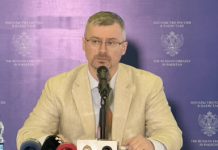
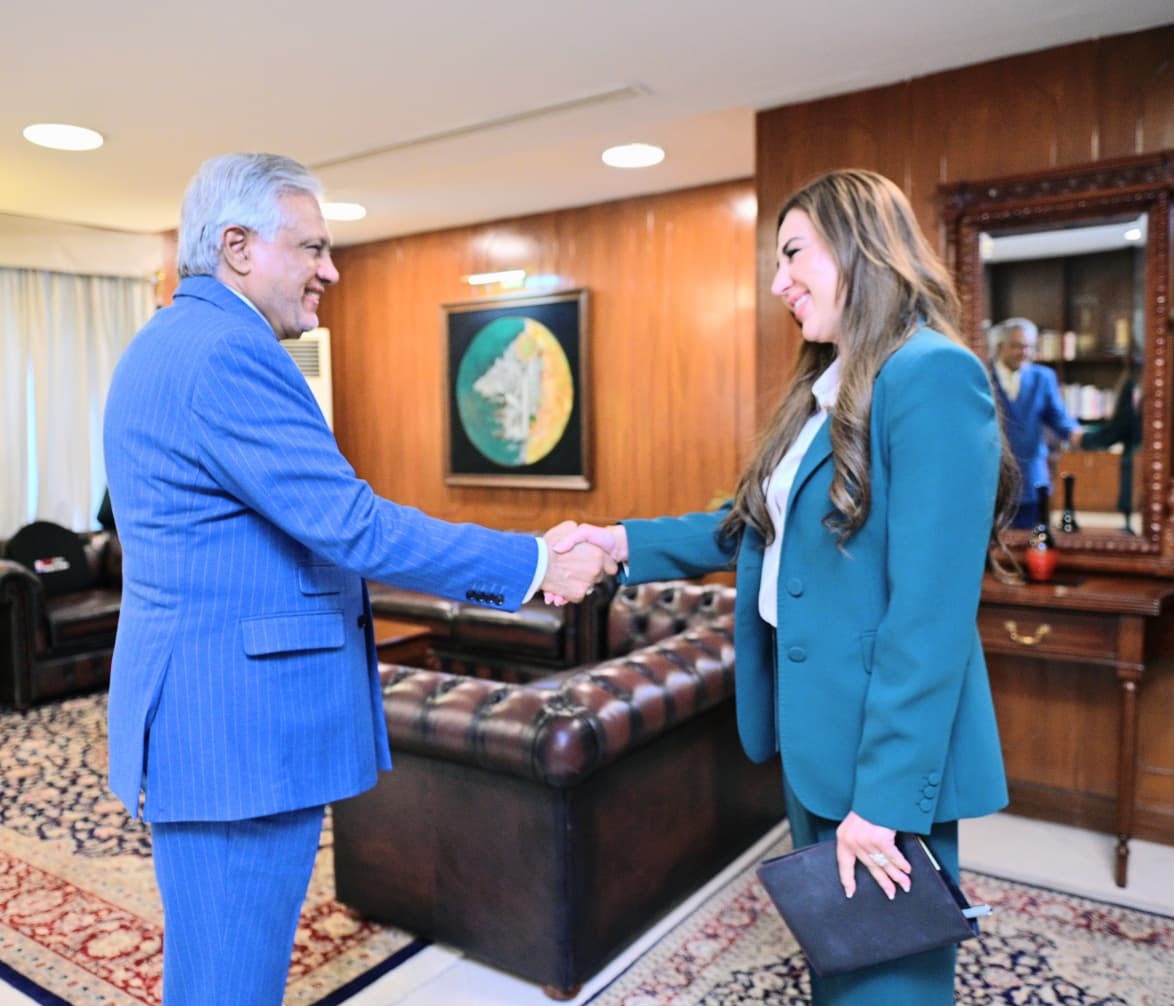
ISLAMABAD: The U.S. Chargé d’Affaires Natalie A. Baker called on Deputy Prime Minister and Foreign Minister Senator Mohammad Ishaq Dar on Wednesday, where discussions focused on Pakistan-U.S. bilateral cooperation and evolving regional dynamics.
During the meeting, Senator Dar highlighted the positive trajectory of Pakistan-U.S. relations, stressing that dialogue and diplomacy remain the cornerstone of lasting peace. He reiterated that the implementation of the Islamabad MoU of June 18 in letter and spirit is essential for advancing mutual understanding. The Deputy Prime Minister reaffirmed Pakistan’s unwavering commitment to regional peace and security while safeguarding national interests.
The U.S. envoy lauded Pakistan’s constructive role in promoting stability across the region and extended felicitations to the Deputy Prime Minister on Pakistan’s Independence Day. She underscored Washington’s appreciation for Islamabad’s efforts in fostering dialogue and building bridges among regional stakeholders.
Pakistan’s role in the broader Middle East and South Asia was also discussed. Officials noted Islamabad’s quiet but significant contribution to the U.S.-Iran dialogue process, where Pakistan has consistently advocated for de-escalation and peaceful resolution of disputes. Diplomatic sources suggest that Pakistan’s backchannel facilitation has helped keep communication lines open between Washington and Tehran, reinforcing Islamabad’s reputation as a credible peace broker.
In addition, Pakistan’s trilateral defence cooperation with Türkiye, Saudi Arabia, and its own armed forces was highlighted as a stabilizing factor in the region. The defence agreement among the three countries is seen as a strategic partnership aimed at enhancing collective security, counterterrorism efforts, and regional stability. Analysts believe this cooperation strengthens Pakistan’s position as a key player in the Muslim world, capable of balancing relations between rival blocs while promoting unity.
The meeting also touched upon Pakistan’s broader vision for peace, which includes supporting reconciliation in Afghanistan, encouraging dialogue in the Gulf, and maintaining strong ties with both the U.S. and China. Senator Dar emphasized that Pakistan’s foreign policy is rooted in constructive engagement, regional connectivity, and economic diplomacy.
The U.S. envoy’s acknowledgment of Pakistan’s role in regional peace is being viewed as a diplomatic success for Islamabad, particularly at a time when global powers are recalibrating their strategies in the Middle East and South Asia.