
DNA
ISLAMABAD, Sept 6: Pakistan has strongly condemned the demolition of a century-old mosque in Saharanpur, Uttar Pradesh, India, on September 5, calling it a “reprehensible act” and a manifestation of a broader “Islamophobic and Hindutva-driven campaign” to erase Islamic heritage in the region.
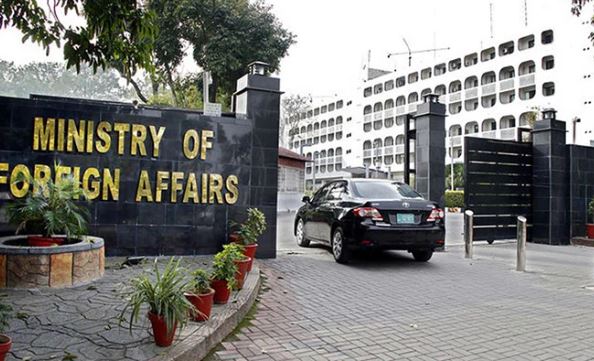
In an official statement issued late Saturday, Foreign Office Spokesperson Ambassador Sajjad Haider Khan said the incident reflects a pattern of religious intolerance and state-sanctioned persecution of minorities in India. He drew parallels to the 1992 demolition of the historic Babri Masjid, terming it an “enduring symbol” of an ideology rooted in prejudice and hatred.
“Pakistan strongly condemns the demolition of the century-old mosque in Saharanpur, India, on 5 September 2026,” Ambassador Khan stated. “This reprehensible action against a historic Islamic place of worship is yet another manifestation of the broader Islamophobic and Hindutva-driven campaign to erase the Islamic heritage.”
The spokesperson urged the international community to take immediate cognizance of what he described as the “systematic persecution of Muslims” by Indian authorities, alleging continued desecration and destruction of places of worship under state patronage.
“The Indian authorities must be held accountable for such actions against the fundamental religious freedoms and cultural heritage of all minorities, particularly the Muslims,” he added.
The statement comes amid rising tensions between the two neighboring nations over issues of minority rights and religious freedom. India has yet to officially respond to Pakistan’s condemnation. Local reports from Saharanpur indicate that authorities have cited municipal violations in the demolition, though community leaders have disputed the claims, calling the structure a historic place of worship.
Pakistan has called for global intervention, urging world bodies to pressure New Delhi to halt what it terms as a campaign against Islamic sites and to safeguard the religious rights of minority communities in India.