DNA
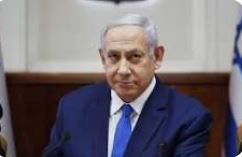
JERUSALEM: Israeli Prime Minister Benjamin Netanyahu’s bloc secured 53 seats, while the opposition Change bloc won 48 and Arab parties secured 19, after 100 percent of regular ballots were counted in Israel’s general election.
The figures, which exclude double envelopes, reflect around 86 percent of all votes cast in the 2026 election. The final distribution of seats remains subject to the counting of the outstanding ballots.
Netanyahu’s bloc remains short of the 61 seats needed for a parliamentary majority in the 120-member Knesset, leaving the formation of the next government dependent on coalition negotiations.
The election has been closely watched amid public discontent with Netanyahu’s far-right government and a political landscape marked by repeated electoral deadlock. Exit polls had suggested there was no clear winner, raising the prospect of difficult negotiations over the formation of a government.
Israeli President Isaac Herzog, who is tasked with determining which candidate to tap to form a government, said on Wednesday that every effort must be made to avoid a new election.
“One thing must be clear, and I said this before the elections too: we must do everything we can, certainly after yesterday, to avoid another round of elections,” he said.
Netanyahu has called for a strong right-wing government and ruled out cooperation with Arab parties, which he has described as anti-Zionist. Centrist former military chief Gadi Eisenkot, whose Yashar party secured 21 seats, has expressed conditional openness to working with Arab-led parties, although such an arrangement remains politically sensitive.
Likud won 26 seats, while the Joint List and Together secured 12 seats each. The Democrats won eight seats, while Yisrael Beiteinu, Ra’am, United Torah Judaism, Otzma Yehudit and Shas each secured seven. Religious Zionism and Identity won six seats.
The results leave Netanyahu facing the challenge of securing enough support to form a government, while opposition parties would also need to overcome political differences to assemble an alternative coalition.