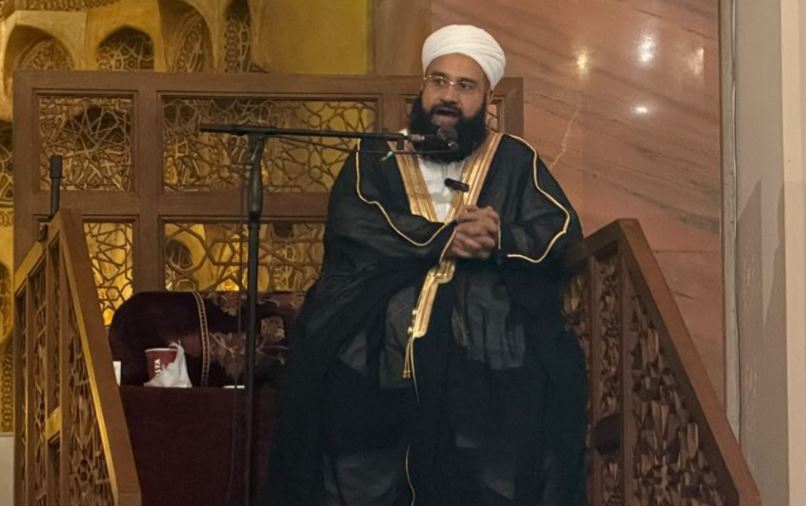
ISLAMABAD, Aug 19: Chairman of the Pakistan Ulema Council and Coordinator of the National Paigham-e-Aman Committee, Hafiz Muhammad Tahir Mehmood Ashrafi, has appealed to Ulema, Mashaikh, Imams, Khateebs, Zakireen and preachers across Pakistan to dedicate Friday sermons on August 21 to the theme “Message of Rahmatul-lil-Alameen and Rights of Non-Muslims in Islam.”
He said the initiative was in line with the objectives of the National Paigham-e-Aman Committee to promote peace, interfaith and intra-faith harmony, religious tolerance, respect for human dignity and a peaceful, inclusive society.
Ashrafi said the advent of the Holy Prophet Muhammad was a mercy for all humanity, while his Seerah provided enduring guidance on peace, justice, tolerance, compassion and protection of human dignity and rights without discrimination.
He urged Ulema and Khateebs to highlight, in the light of the Quran, Sunnah, Charter of Madinah and Seerah, Islam’s teachings on protecting the lives, property, honour, places of worship and religious freedom of non-Muslim citizens.
The chairman said Pakistan belonged to all its citizens and that the Constitution guaranteed fundamental rights and religious freedom, adding that protecting non-Muslim Pakistanis and their places of worship was a shared responsibility of the state and society.
Ashrafi said the growing challenges of hatred, extremism and religious prejudice made the message of Rahmatul-lil-Alameen (Peace Be Upon Him), peace, moderation and respect for humanity more relevant than ever.
He called upon religious leaders to convey this message from the Mimbar and Mehrab, particularly to the younger generation, and urged Pakistan Ulema Council and its allied organizations to coordinate with religious scholars and prayer leaders nationwide to highlight the theme in Friday sermons.
He said observing Rabi-ul-Awwal in the true spirit of the Prophet’s (Peace Be Upon Him) message required translating his teachings of mercy, justice, peace, brotherhood, tolerance and respect for humanity into practical conduct, thereby strengthening social harmony and peaceful coexistence among all communities in Pakistan.