Meanwhile, Saudi Arabia emphasized its commitment to regional security and stability. According to Saudi state media, Crown Prince Mohammed bin Salman chaired a meeting of the Council of Ministers in Riyadh on Tuesday, during which participants reviewed the outcomes of the discussions held in Tehran
DNA
SANAA/RIYADH: A senior Houthi official has strongly criticized Egypt’s decision to authorize military support for Saudi Arabia, describing the move as a “declaration of war” against Yemen amid rising regional tensions and diplomatic efforts to prevent further escalation in the Middle East.
Mohammed Ali al-Houthi, a member of the Houthi political bureau, made the remarks in a statement posted on Telegram on Tuesday. The comments came in response to Egypt’s parliamentary approval for military assistance to Saudi Arabia and followed high-level regional talks held in Tehran aimed at reducing tensions in the region.
“It is truly remarkable that while these people go to discuss what they call peace in the region, Egypt and its parliament declare support for the so-called defence of the Kingdom of Saudi Arabia and, in doing so, declare war against the Republic of Yemen,” al-Houthi said.
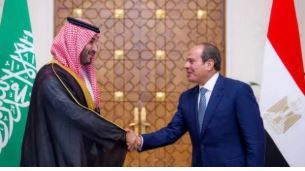
The Houthi leader also reacted to a diplomatic initiative involving Saudi Arabia, Pakistan, and Türkiye. On Monday, Saudi Defense Minister Prince Khalid bin Salman visited Tehran alongside Pakistan’s Army Chief and Türkiye’s intelligence chief as part of efforts to ease tensions stemming from ongoing regional conflicts.
Al-Houthi characterized the emerging cooperation among regional powers as “a clear and blatant act of aggression” against Iran, while insisting that Yemen’s Houthi movement would not be intimidated by any regional alliance.
“We are not afraid of any alliance that may be formed,” he stated, reaffirming the group’s position amid growing regional security cooperation.
The remarks highlight the increasingly complex geopolitical landscape of the Middle East, where diplomatic initiatives aimed at de-escalation are unfolding alongside heightened rhetoric from parties involved in regional conflicts.
Meanwhile, Saudi Arabia emphasized its commitment to regional security and stability. According to Saudi state media, Crown Prince Mohammed bin Salman chaired a meeting of the Council of Ministers in Riyadh on Tuesday, during which participants reviewed the outcomes of the discussions held in Tehran.
A statement carried by state media said the council examined talks conducted between countries participating in the Mecca Common Defence Agreement and senior Iranian officials.
“The council reviewed the substance of the talks held between the countries party to the Mecca Common Defence Agreement and senior officials of the Islamic Republic of Iran, reaffirming Saudi Arabia’s commitment to establishing security and stability,” the statement said.
The diplomatic engagement was widely seen as an effort to contain regional tensions and open channels of communication between rival powers at a time of heightened uncertainty across the Middle East.
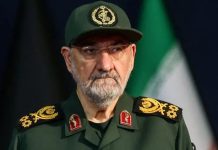
Iranian officials also described the discussions positively. Iran’s security chief, Mohsen Rezaei, reportedly called the talks “very good,” suggesting that all sides were interested in reducing tensions and exploring avenues for dialogue.
The involvement of Pakistan and Türkiye in the Tehran discussions reflects growing efforts by regional stakeholders to encourage diplomacy and prevent a wider conflict. Analysts note that continued dialogue among major regional actors could play a crucial role in maintaining stability and avoiding military escalation.
However, the strong reaction from Houthi leadership demonstrates that significant mistrust remains among parties to regional conflicts, particularly regarding military cooperation agreements and defense arrangements involving Saudi Arabia and its partners.
The latest exchange of statements comes at a delicate moment for the region, where governments are attempting to balance security concerns with diplomatic initiatives designed to prevent broader confrontation. While Saudi Arabia, Iran, Pakistan, and Türkiye have signaled support for dialogue and regional stability, comments from Houthi leaders underscore the challenges facing efforts to build consensus and achieve lasting peace.