
ISLAMABAD, Nov 01 (DNA): Health officials have urged parents to ensure HPV vaccination for girls aged 9–14, describing the vaccine as a safe and effective preventive measure against cervical cancer.
According to them, timely immunization can protect future generations from the potentially life-threatening disease.
They emphasized that vaccination before exposure to the Human Papillomavirus (HPV) offers the strongest protection and called for greater public awareness to counter misconceptions and encourage acceptance of the vaccine among families.
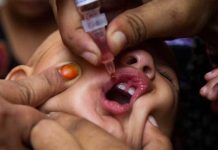
Pakistan has launched a national HPV vaccination campaign through the Federal Directorate for Immunization (FDI), in collaboration with Gavi, the Vaccine Alliance, UNICEF and the World Health Organization (WHO) to protect adolescent girls against cervical cancer.
The vaccine is being provided free of cost to eligible girls through designated vaccination centres, schools and outreach and mobile vaccination teams to ensure wider access, particularly for those who may otherwise face difficulties reaching healthcare facilities.
Health officials have clarified that the HPV vaccine has undergone extensive scientific evaluation and is safe, effective and necessary to protect girls against HPV infections that can lead to cervical cancer later in life. They stressed that vaccination is an important investment in women’s health and can significantly reduce the future burden of the disease.
Alongside vaccination, officials have highlighted the importance of regular screening, timely medical consultation and public awareness as essential components of cervical cancer prevention. They have emphasized that vaccination and screening complement each other in reducing the risk of the disease.
Parents and caregivers have been encouraged to seek accurate information from healthcare providers and ensure that eligible girls receive the free vaccine through the national programme.
Health officials stressed that informed parental decisions, community participation and access to preventive healthcare are vital to protecting adolescent girls and reducing cervical cancer cases in the country.