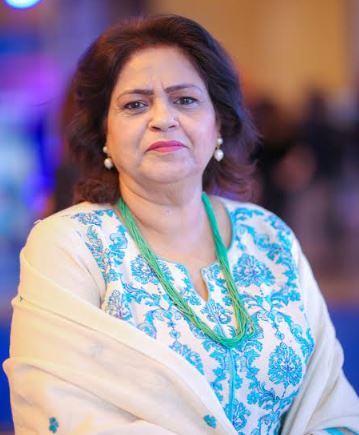
ISLAMABAD, JUN 19 /DNA/ – The founder president of the Islamabad Women Chamber of Commerce and Industry (IWCCI), Samina Fazil, said the federal budget for 2026-27 missed an opportunity to strengthen women’s economic participation by underinvesting in skills development, entrepreneurship support, and access to finance.
She said women account for nearly half of Pakistan’s population but continue to face barriers in education, technology, financial services, and markets. Sustainable growth, she added, requires prioritising women as an economic force.
While acknowledging social protection programmes for vulnerable households, she said long-term progress depends on greater investment in education, vocational training, and employment opportunities for women.
The federal government has allocated Rs 58 billion for education compared to Rs 838 billion for the Benazir Income Support Programme (BISP), reflecting a wide gap between social protection spending and education investment.
She said the budget also does not appear to include a dedicated federal skills development programme for women entrepreneurs or women-led businesses, with most initiatives grouped under general youth programmes rather than gender-specific interventions.
“The focus should be on enabling women to become entrepreneurs, business leaders, and job creators rather than relying on short-term relief,” she said.
Fazil called for dedicated financing facilities for women entrepreneurs, expanded vocational and technical training, tax incentives for women-owned SMEs, and stronger digital and e-commerce support.
She said improved business development services and market access mechanisms are needed to help women-led enterprises scale domestically and internationally.
The business leader said greater female participation in the economy could boost incomes, jobs, and growth, adding that women entrepreneurs can contribute significantly to exports and innovation if supported properly.
Naima Ansari, former vice president of FPCCI, said the budget prioritised fiscal consolidation and growth but lacked targeted measures for underrepresented groups, including women entrepreneurs.
She added that Pakistan’s long-term prosperity depends on ensuring women have equal access to economic opportunities and tools for participation.