
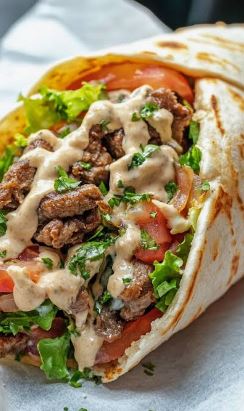
PESHAWAR, Nov 29 (DNA): As winter chill descends on Peshawar and the evening breeze sweeps through its bustling bazaars, the sizzling aroma of freshly grilled shawarma wafts through narrow streets, tempting passers-by, motorists and food lovers to stop for a warm spicy bite on weekend.
From the historic Qissa Khwani bazaar to Hashtnagri, Karim Pura, Liaquat Bazaar, Firdus, Board bazaar and Namak Mandi, shawarma stalls and eateries have become lively gathering spots where customers patiently wait for their turn to enjoy the popular street food, which offers a blend of taste, convenience and affordability.
The growing rush at shawarma outlets, particularly during evening and late-night hours on weekends, reflects how this Middle Eastern-inspired delicacy has carved out a special place in the culinary landscape of Peshawar, a city renowned for its traditional hospitality and rich food culture.
Alongside chapli kebab, siri paye, pulao and chicken corn soup, shawarma has emerged as one of the favourite quick meals for people seeking something warm, flavourful and filling during the colder months.
“Peshawar is famous for its delicious and spicy cuisines worldwide, and its shawarma, chapli kebab, siri paye and chicken corn soup attract food lovers from inside and outside the country because of their distinctive taste and nutritional appeal,” lecturer Sundus Bibi told APP while sharing her views on the city’s food culture.
Waiting for her turn at a popular shawarma outlet in Qissa Khwani Bazaar, she said shawarma had become a widely enjoyed street food in Khyber Pakhtunkhwa.
The dish, traditionally prepared with layers of marinated meat cooked on a revolving spit, was commonly made using chicken, beef or lamb and served in bread with sauces, vegetables and chutneys, making it an appealing meal for people of different age groups.
The cuisine, associated with middle eastern food traditions and particularly the Levant, has travelled across borders and cultures, becoming a popular fast-food choice in Pakistan’s major cities, including Karachi, Lahore and Peshawar.
Over the years, shawarma businesses have expanded considerably, with food outlets, bakeries and roadside vendors offering different varieties to cater to the changing tastes and purchasing power of consumers.
“Shawarma saves time and money for consumers. It is a quick street food that can be conveniently consumed, particularly by people who are busy with their daily routines,” Sundus said, adding that the district administration must ensure the use of safe and quality meat in shawarma and other popular food items.
For many local vendors, shawarma is not merely a seasonal attraction but a family trade that has sustained livelihoods across generations. Riaz Ali, 65, a shawarma seller in Pabbi Bazaar, Nowshera, told APP that he inherited the business from his father and had now passed on the trade to his sons, turning it into a family enterprise spanning two generations.
“We normally prepare around 20 chickens, which are marinated in oil, lemon juice, sauces and spices before being grilled. The meat is then sliced and served with special sauces and chutneys to customers for Rs150 per shawarma,” he said.
Riaz said the marination process usually took three to four hours to ensure the meat absorbed the flavours of the spices and sauces before being cooked.
He said customers from different walks of life, including students, young people, women and senior citizens, were attracted to shawarma because of its spicy taste, affordability and convenience.
“During the winter season, the rush increases considerably, and we often remain busy until late at night to meet the growing demand,” he said.
The seasonal surge, he added, was not confined to walk-in customers, as hotels, bakery shops and marriage halls also placed orders for shawarma and other food items, adding to the business activity.
Some customers even carry shawarma, along with traditional chapli kebab, as a food gift for relatives and friends living abroad, reflecting the popularity of Peshawar’s culinary traditions beyond the city and country.
However, the growing popularity of street food also raises concerns about hygiene, food safety and the nutritional consequences of excessive consumption of fast food, particularly among children and adolescents.
Dr Samiullah Khan, a children’s specialist at Government Hospital Pabbi, Nowshera, said shawarma prepared with fresh chicken or beef and handled under hygienic conditions could be consumed, but stressed that consumers must remain cautious about the quality of ingredients and food preparation practices.
He urged authorities to intensify checks on the open sale of unsafe and substandard food items, including burgers, shawarma, potato chips, snacks and beverages, particularly at vendors operating near schools and in busy markets.
He said unhealthy dietary habits, excessive consumption of processed and calorie-dense foods and lack of physical activity were contributing factors to the growing burden of overweight and obesity, particularly among children.
Citing global concerns about childhood obesity, he stressed the need for stronger monitoring of food businesses, greater public awareness and healthier eating habits to protect the younger generation from long-term health risks.
Meanwhile, the Khyber Pakhtunkhwa Food Safety and Halal Food Authority (KPFS&HFA) has intensified its province-wide inspection campaign to ensure food quality and protect consumers from unsafe and substandard products.
The spokesman for the KP Food Safety and Halal Food Authority, told APP that the authority had conducted inspections across the province this year and discarded substandard and expired children meat during its enforcement operations.
He said mobile food-testing laboratories had been established at the headquarters of all administrative divisions, enabling officials to test more than 20 food items on the spot and take immediate action against violations.
Monitoring of food businesses, open markets, hotels and restaurants had been intensified, while special emphasis was being placed on improving the behaviour, hygiene practices and awareness of food handlers and business owners to ensure better food quality and services, he added.
The authority, operating under the provincial Health Department, has been playing a key role in regulating food businesses, inspecting food products and promoting hygienic practices across Khyber Pakhtunkhwa.
As Peshawar’s streets continue to fill with the aroma of freshly grilled shawarma on chilly evenings, the popular delicacy remains a symbol of the city’s evolving food culture, where traditional tastes, modern convenience, family businesses and winter cravings come together on weekend.
For many Peshawarites, a hot shawarma on a cold evening is more than a quick meal —although it is a small but cherished pleasure of winter for many in Khyber Pakhtunkhwa.