DNA
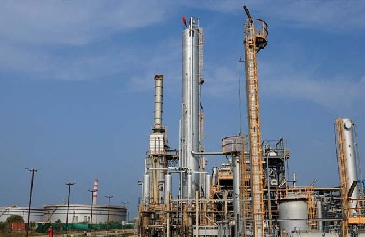
Pakistan’s major oil refineries signed long-awaited upgradation agreements on Thursday, paving the way for nearly $6 billion in investment to modernise the country’s ageing refining sector and produce cleaner Euro-V fuels.
Attock Refinery Limited (ARL), National Refinery Limited (NRL), Cnergyico Pakistan Limited (CPL) and Pakistan Refinery Limited (PRL) signed the agreements, while Pakistan’s largest refinery, Parco, is expected to sign soon.
The projects are expected to significantly reduce furnace oil production, replace imported petroleum products with locally refined fuels and strengthen Pakistan’s ability to meet domestic energy needs.
The industry estimates that the refinery upgrades could save the country about $1.5 billion annually in foreign exchange by reducing petroleum product imports.
For refinery executives who have been involved in the initiative since its early stages, the signing marks the culmination of nearly seven years of policy development and delays.
“The journey began with the first draft of the Refining Policy in December 2019, followed by its approval in August 2023 and subsequent amendments before finally reaching implementation today — almost seven years later,” said Adil Khattak, CEO of ARL and chairman of the Energy Committee of the Overseas Investors Chamber of Commerce and Industry.
Khattak said the recent geopolitical developments had reinforced the importance of domestic refining capacity as a strategic national asset rather than simply a commercial enterprise.
He credited Federal Minister for Petroleum Ali Pervaiz Malik, the Petroleum Division and other government institutions with helping remove the remaining hurdles and move the policy toward implementation.
“Reaching today’s milestone deserves recognition and celebration. It would not have been possible without the passionate, persistent and resilient leadership of Federal Minister for Petroleum Ali Pervaiz Malik, his team in the Petroleum Division and the support of other relevant government institutions. Their efforts in resolving the remaining impediments have been instrumental in translating a long-pending policy into implementation,” he said.