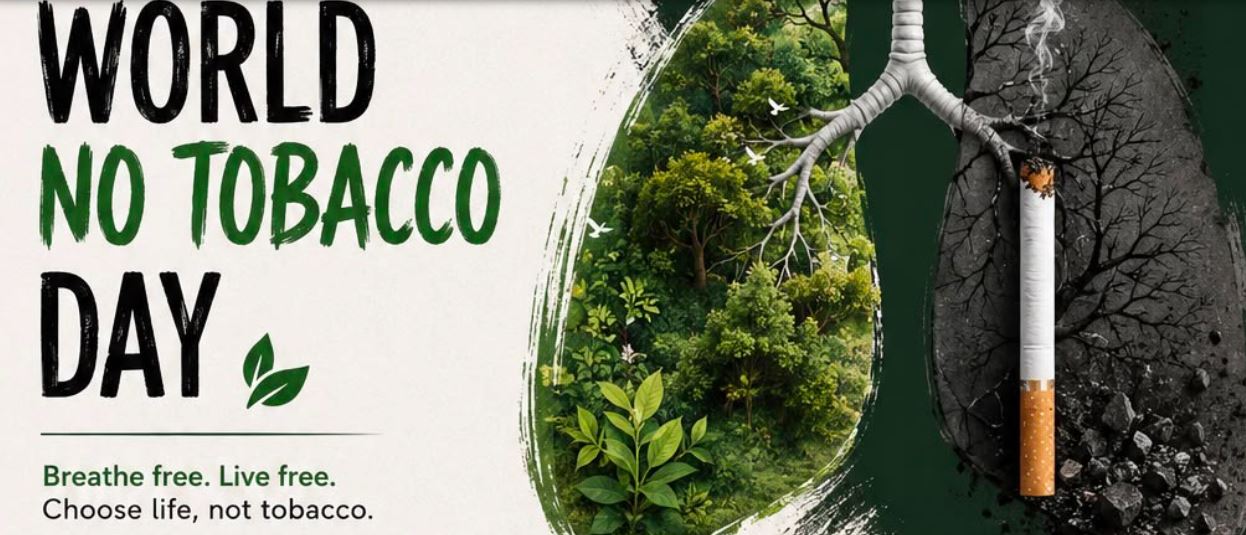
ISLAMABAD, May 31: On the occasion of World No Tobacco Day 2026, the Society for the Protection of the Rights of the Child (SPARC) emphasized the importance of strengthening tobacco control efforts, enhancing the regulation of emerging nicotine products, and protecting children and youth from tobacco addiction in Pakistan.
Dr. Khalil Ahmad Dogar, Program Manager at SPARC, stated that this year’s World No Tobacco Day theme, “Unmasking the Appeal – Countering Nicotine and Tobacco Addiction,” highlights the tactics used by the tobacco industry to attract new users through flavored products, deceptive marketing, attractive packaging, and the promotion of emerging nicotine products such as e-cigarettes, heated tobacco products, and nicotine pouches.
He further added that, according to the World Health Organization (WHO), tobacco use kills more than 8 million people globally every year, including approximately 1.3 million non-smokers who die from exposure to second-hand smoke. In Pakistan, tobacco use causes more than 192,000 deaths annually, equivalent to over 526 deaths every day. Alarmingly, nearly 1,200 children between the ages of 6 and 15 begin smoking every day, exposing a new generation to lifelong nicotine addiction and serious health risks.
He highlighted that tobacco use is not only a public health crisis but also a major economic burden. Pakistan loses an estimated Rs. 1,835 billion annually due to tobacco-related healthcare costs, lost productivity, and premature deaths. These losses significantly outweigh the revenue generated through tobacco taxation and divert valuable resources away from national development priorities.
Dr. Khalil added that Pakistan ratified the WHO Framework Convention on Tobacco Control (FCTC) and has made important progress through the implementation of MPOWER measures, including smoke-free laws, restrictions on tobacco advertising, prohibition of sales to minors, pictorial health warnings, and tobacco tax increases. However, significant gaps remain in enforcement and regulation.
He highlighted the importance of increasing tobacco taxes to reduce affordability, expanding graphic health warnings in line with international best practices, ensuring effective enforcement of bans on Tobacco Advertising, Promotion and Sponsorship (TAPS), and establishing a comprehensive regulatory framework for emerging nicotine and tobacco products.
Dr. Khalil Ahmad further stated, “World No Tobacco Day serves as a powerful reminder that tobacco addiction continues to threaten the health, well-being, and future of millions of Pakistanis, particularly children and youth. While Pakistan has achieved important milestones in tobacco control, much more needs to be done to counter aggressive tobacco industry tactics and the growing availability of emerging nicotine products. We call upon the government to strengthen tobacco taxation, enforce comprehensive advertising bans, regulate all nicotine products, and invest in sustainable tobacco control programs. Protecting children from nicotine addiction is not only a public health obligation; it is an investment in Pakistan’s future.”
He highlighted the role of government institutions, parliamentarians, healthcare professionals, educators, civil society organizations, parents, and the media in supporting initiatives aimed at creating a tobacco-free environment and safeguarding future generations from tobacco and nicotine addiction.