Speaking in an interview with media, Trump expressed confidence that tensions had eased significantly following recent confrontations. However, he emphasized that the future course of relations would depend on Iran’s willingness to reach a comprehensive agreement with the United States
Centreline Report
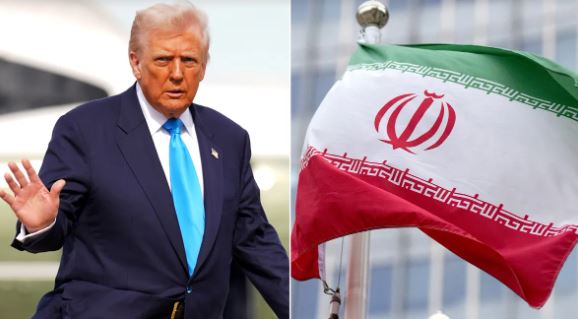
WASHINGTON: US President Donald Trump has said that renewed conflict with Iran is “highly unlikely,” signaling optimism about the prospects for maintaining stability in the region. His remarks came ahead of a meeting with Qatar’s prime minister, whose country has played an important role in diplomatic efforts between Washington and Tehran.
Speaking in an interview with media, Trump expressed confidence that tensions had eased significantly following recent confrontations. However, he emphasized that the future course of relations would depend on Iran’s willingness to reach a comprehensive agreement with the United States.
“It’s highly unlikely,” Trump said when asked about the possibility of fighting resuming. At the same time, he made clear that military action could still be considered if negotiations failed to produce results. “I would if necessary, but we hit them really hard. I hit them so hard. You don’t know how hard I hit them,” he added.
The president’s comments suggest that the US administration is focusing on diplomacy while keeping military options available as leverage. Trump indicated that the likelihood of renewed hostilities would depend on whether Iran agrees to what he described as a “very strong agreement.”
Qatar has emerged as a key mediator in regional conflicts and has frequently facilitated discussions between rival parties in the Middle East. The upcoming meeting between Trump and the Qatari prime minister is expected to include discussions on regional security, diplomatic engagement with Iran, and broader efforts to reduce instability in the Gulf region.
Relations between the United States and Iran have experienced significant strains in recent years, with disagreements over security issues, regional influence, and nuclear-related concerns. Periodic military confrontations and diplomatic disputes have raised fears of a wider regional conflict, prompting international calls for dialogue and restraint.
Trump’s latest remarks may offer reassurance to global markets and US allies that Washington is currently seeking to avoid a new military confrontation. Nevertheless, his insistence on securing a strong agreement underscores the administration’s determination to maintain pressure on Tehran.
Analysts note that while tensions appear to have eased, underlying differences between the two countries remain unresolved. Future developments will likely depend on diplomatic negotiations, regional security conditions, and the willingness of both sides to engage constructively.
For now, Trump’s statement marks a cautious but positive signal that a return to open conflict is not expected in the near term. His comments highlight a dual-track approach that combines diplomatic engagement with a firm stance on US security interests.
As international attention remains focused on US-Iran relations, upcoming discussions involving Qatar and other regional stakeholders could play a significant role in shaping the next phase of diplomacy and regional stability in the Middle East.