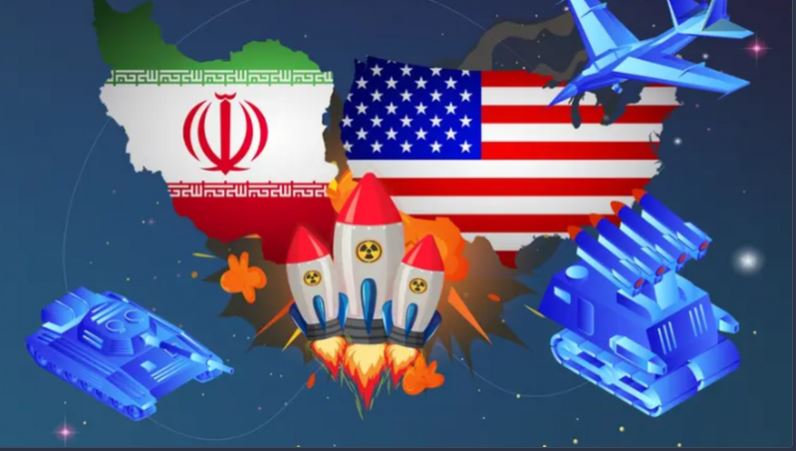
WASHINGTON, MAY 29: The US and Iran sent mixed signals on Thursday over the status of a potential agreement, with Washington claiming progress had been made while Tehran downplayed reports that a deal was close.
A US source familiar with the negotiations told Al Arabiya English that a memorandum of understanding (MoU) had been reached, but said President Donald Trump wanted additional time before making a final decision.
According to the source, the preliminary framework of the agreement would include Iran pledging never to pursue a nuclear weapon and beginning discussions on relinquishing its stockpile of highly enriched uranium.
Iran would also begin reopening the Strait of Hormuz and start removing naval mines it had placed in the strategic waterway.
During the proposed 60-day period, Washington would begin easing sanctions, including restrictions on Iranian oil exports, while also discussing the release of frozen Iranian funds.
The US military would end its blockade on Iran, and the Trump administration would work toward ending the ongoing Lebanon war between Hezbollah and Israel.
Later Thursday, however, Iran’s state-affiliated Tasnim news agency denied reports that a memorandum of understanding had been finalized, citing a source close to Tehran’s negotiating team.
According to the report, Iran had not informed the Pakistani mediator involved in the talks that any final text had been agreed upon.
“If the text is truly finalized, Iran will announce the matter to both the Pakistani mediator and the public. Until then, any claims by Western sources that the issue has been finalized are not credible,” the source said.
Lebanon-Israel talks at the Pentagon
Meanwhile, separate talks between Lebanese and Israeli officials are scheduled to take place Friday at the Pentagon. The discussions follow three previous rounds of diplomatic talks held at the State Department and the White House.
The Trump administration has been pushing for an agreement to formally end the decadeslong state of war between Lebanon and Israel. Although the two countries have technically remained at war for decades, Hezbollah and Israeli forces have engaged in repeated clashes since 1982.
The latest conflict escalated after Hezbollah entered the Gaza war by launching attacks on Israel in support of Hamas. Israel’s response led to the killing of Hezbollah’s senior leadership, including longtime chief Hassan Nasrallah and several founding figures of the group.
Hezbollah later launched additional attacks on Israel following the killing of Iran’s supreme leader earlier this year. Israel has wiped out dozens of villages in southern Lebanon as a result and is further invading large swathes of the country.