
ISLAMABAD, Jun 22: Uzbekistan’s sweeping agricultural reforms are transforming the sector into a modern, market-oriented system that prioritizes farmers’ rights, economic freedom, and technological innovation, according to Zafar Mustafakulov, Deputy Chairman of the Farmers’ Council of Uzbekistan.
The reforms, implemented under the framework of New Uzbekistan, aim to increase agricultural productivity while strengthening legal protections for farmers, expanding digital governance, and reducing administrative intervention in agricultural activities, said a release issued by the embassy of Uzbekistan in Islamabad here.
One of the most significant reforms has been the introduction of transparent land allocation mechanisms. Agricultural land is now allocated through open electronic auctions, providing farmers with secure and legally protected access to land. New legal safeguards have also been introduced to prevent arbitrary termination of land lease agreements, ensuring greater confidence and stability for agricultural producers.
Under presidential decrees adopted in recent years, lease rights can now be terminated only through mutual agreement of the parties or by court decision, reinforcing the protection of farmers’ interests and property rights.
Another major reform is the introduction of digital crop planning. Beginning with the 2026 harvest season, farms, agricultural clusters, and other farming enterprises will independently determine crop placement through the “Agroportal” digital platform. The previous practice of direct state determination of crop types has been abolished, allowing farmers to make production decisions based on market demand and economic considerations.
The digitalization of crop management is expected to reduce bureaucratic procedures, eliminate unnecessary human intervention, and improve transparency in agricultural planning.
The government has also expanded market freedoms in the cotton and grain sectors by gradually reducing the state-order system. Farmers are now free to choose buyers, conclude contracts through commodity exchanges, and independently manage their revenues.
Government agencies, local authorities, and law enforcement bodies have been prohibited from interfering in farming operations, grain production processes, contract negotiations, and commodity transportation. Legal penalties have been introduced for officials who unlawfully interfere in farmers’ activities.
To support producers financially, the government has established subsidy programs, including incentives for cotton producers who sell their harvest through exchange trading mechanisms. Farmers now have greater flexibility to work with agricultural clusters and choose business partners based on commercial considerations.
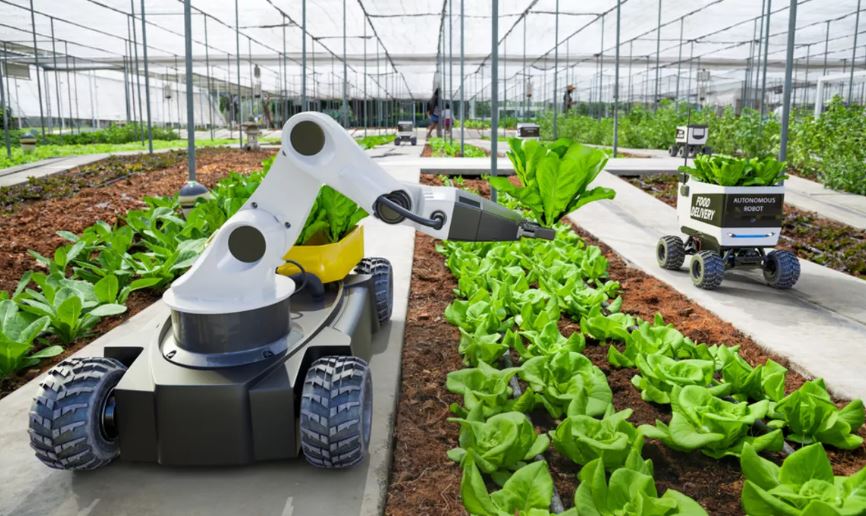
Productivity enhancement remains another key pillar of the reform agenda. Uzbekistan is expanding the use of advanced agricultural technologies, including modern cotton cultivation methods, drought-resistant seed varieties, drip irrigation systems, and laser land-leveling technologies.
More than 2.8 million hectares of irrigated farmland have already adopted water-saving technologies, covering approximately 66 percent of the country’s irrigated agricultural land. Officials report that laser leveling techniques have contributed to a 15-20 percent increase in crop yields while improving water efficiency.
To encourage adoption of modern irrigation systems, the state covers a significant portion of equipment costs and electricity expenses, helping farmers reduce production costs and improve profitability.
Cooperative farming has also received a major boost following the adoption of the Law on Agricultural Cooperatives. More than 1,000 agricultural cooperatives are currently operating across Uzbekistan, providing farmers with opportunities to pool resources, strengthen market access, and enhance legal protection.
In the cotton sector alone, 92 agricultural cooperatives have been established. During 2025, cooperatives concluded exchange-traded contracts with hundreds of farms and supplied substantial quantities of raw cotton directly to processing enterprises.
The legal standing of farmers has been further strengthened through new powers granted to the Farmers’ Council of Uzbekistan. The Council now has the authority to represent farmers and agricultural cooperatives in court proceedings without payment of state duties, providing an additional layer of legal protection for agricultural producers.
Farmer participation in policymaking has emerged as another hallmark of the reform process. Through public consultations, digital platforms, and regional dialogue forums, farmers are increasingly contributing to discussions on agricultural legislation and sectoral development.
According to the Farmers’ Council, hundreds of proposals and recommendations from farmers have been incorporated into draft regulations and policy initiatives. Digital engagement platforms, including the “Fermer Minbari” online forum and the artificial intelligence-powered “Fermer AI” advisory bot, are enabling farmers to access information, receive expert guidance, and communicate directly with policymakers.
Experts say these reforms are helping create a new generation of farmers who are not only agricultural producers but also entrepreneurs equipped with modern technology, market knowledge, and strong legal protections.
As Uzbekistan continues to modernize its agricultural sector, the central objective remains clear: increasing farmers’ incomes, strengthening national food security, and ensuring long-term economic stability through sustainable agricultural development.
This version is written in a professional news-agency style suitable for publication in newspapers, magazines, embassy newsletters, or international affairs journals.