By: Aysal Elham
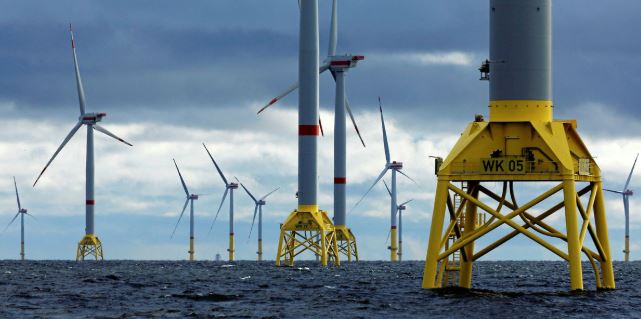
Europe’s offshore wind farms were built to capture clean energy from the sea breeze, but beneath the waves something unexpected is happening. The very structures designed to fight climate change are quietly nurturing new marine ecosystems. Research across UK and European waters shows turbine foundations acting as artificial reefs. Algae, barnacles, and shellfish cling to the steel columns, attracting small fish, which in turn draw larger predators. What began as industrial infrastructure has become a thriving underwater community. Fishing restrictions around these farms have further transformed them into safe havens, allowing biodiversity to rebound in seas long pressured by overfishing.
The climate dividend is equally profound. Offshore wind is one of the cleanest energy sources available, displacing fossil fuels and cutting greenhouse gas emissions. Every megawatt generated at sea reduces reliance on coal and oil, helping nations meet their climate targets. Europe’s experience demonstrates that renewable power can scale without sacrificing ecological integrity.
For Pakistan, this story carries urgent lessons. With a 1,000-kilometer coastline along the Arabian Sea, abundant wind resources, and growing energy demands, offshore wind offers a practical adaptive model. Karachi, Thatta, and Gwadar could host pilot projects, combining clean electricity generation with marine conservation. By designating wind farm zones as “no-fishing areas,” Pakistan could replicate Europe’s dual success: reducing carbon emissions while creating sanctuaries for marine life. Such projects would diversify Pakistan’s energy mix, reduce dependence on imported fuels, and strengthen resilience against climate change. For coastal communities, the benefits could be transformative: new jobs in renewable energy, healthier fish stocks due to protected zones, and reduced exposure to the volatility of global oil markets.
To make this vision real, Pakistan needs a coordinated policy framework. The federal government should launch feasibility studies along the Sindh and Balochistan coasts to identify high-potential offshore wind sites, create incentives for public-private partnerships to encourage investment in pilot projects, integrate marine conservation into energy planning by ensuring fishing restrictions and biodiversity monitoring accompany turbine installation, and collaborate internationally to learn from European expertise while tailoring solutions to local ecological and economic realities.
Above the waves, turbines generate clean electricity. Below them, life finds sanctuary. In the race to decarbonize, offshore wind is indispensable. But its hidden gift may be even greater: a reminder that when human technology meets nature, the results can surprise us. What began as an energy project has become a story of ecological renewal a new chapter in our relationship with the sea, and a model Pakistan can adapt for its own sustainable future.
By: Aysal Elham
Climate Governance Analyst
MPhil Media Studies