
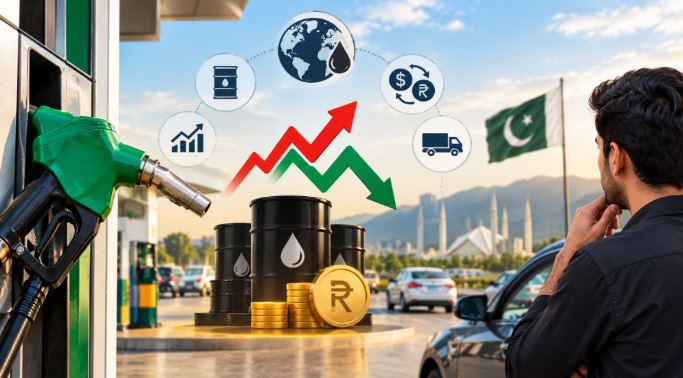
Petrol prices in Pakistan can change several times throughout the year, affecting motorists, commuters, and households that depend on road transportation. These changes often raise questions about why fuel becomes more expensive, what determines the price at the pump, and how consumers can prepare for revisions.
Understanding the main factors behind petrol price fluctuations can help people follow fuel-price updates, plan their expenses, and make informed decisions about everyday travel.
What Causes Petrol Prices to Fluctuate in Pakistan?
Petrol prices are influenced by several economic and policy-related factors. International oil markets, currency exchange rates, government taxes, and domestic pricing decisions all contribute to the final price consumers pay.
Because these factors can change over time, petrol prices in Pakistan do not necessarily remain constant. A change in one factor may also be partly offset by another, meaning that the final price depends on the overall pricing situation.
How Do International Oil Prices Affect Petrol Rates?
Crude oil is a major raw material used to produce petrol and other petroleum products. Changes in global oil supply and demand can influence international prices.
For example, supply disruptions, geopolitical tensions, production decisions by oil-producing countries, and changes in global economic activity can affect oil markets. When international prices rise, the cost of importing petroleum products or crude oil may increase. When they fall, import costs may ease.
However, international crude oil prices do not translate directly into an identical change in the petrol price at Pakistani fuel stations. Refining costs, product-specific market prices, transportation, taxes, and other components also matter.
Why Does the Dollar Exchange Rate Matter?
Pakistan imports petroleum products and is exposed to international energy prices denominated in foreign currencies, particularly the US dollar.
When the Pakistani rupee weakens against the dollar, purchasing imported fuel can become more expensive in rupee terms, even if international prices remain relatively stable. Conversely, a stronger rupee may reduce the local-currency cost of imports.
The actual effect depends on the exchange rates used in the pricing process, import costs, and other price components. Currency movements are therefore an important factor, but they do not determine petrol prices on their own.
What Role Do Government Taxes and Pricing Decisions Play?
Government policies also influence the retail price of petrol in Pakistan. Taxes, petroleum levies, applicable margins, and other components can contribute to the amount consumers pay.
The government reviews fuel prices periodically under the applicable pricing arrangements. Changes in international prices, exchange rates, and domestic policy decisions can therefore affect the announced rates.
This is why following official price announcements is more useful than assuming that a rise or fall in global oil prices will immediately produce the same change at local petrol stations.
How Can Consumers Prepare for Petrol Price Changes?
Consumers cannot control international markets or government pricing decisions, but they can take practical steps to manage their fuel expenses.
- Monitor price updates: Follow reliable sources and official announcements to stay informed about revised petrol rates.
- Plan monthly expenses: Estimate fuel spending based on regular travel distances and your vehicle’s average fuel consumption.
- Reduce unnecessary journeys: Combine errands and plan routes that avoid avoidable detours.
- Maintain your vehicle: Keep tyres properly inflated and follow the recommended maintenance schedule to support fuel efficiency.
- Review transport options: Where practical, compare the cost of driving with public transport or ride-sharing.
These habits will not eliminate the impact of fuel-price increases, but they can help households plan more effectively and avoid unnecessary spending.
Where Can You Check Petrol Prices in Pakistan?
Knowing the latest petrol price is useful when calculating commuting expenses, planning a road trip, or updating a household budget. Using current information also helps avoid estimates based on outdated rates.
Consumers can visit Petrol Price Pakistan to check available petrol-price information and related updates. For confirmation of officially announced rates, readers should also consult the relevant government announcements.
Conclusion
Petrol prices in Pakistan fluctuate because of a combination of international oil markets, currency movements, government taxes, and domestic pricing decisions. No single factor explains every change, and the impact on consumers depends on the circumstances surrounding each revision.
By understanding these factors and keeping track of reliable price updates, consumers can make better-informed decisions about travel, fuel spending, and monthly budgets.