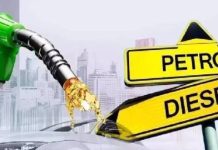
In a decision that has sparked nationwide outrage, the Pakistani government has imposed a staggering Rs 55 per liter increase on petroleum products, effective March 7, 2026. Petrol prices have skyrocketed to Rs 321.17 per liter, while diesel now stands at Rs 335.86 per liter. This abrupt surge comes amid escalating geopolitical tensions in the Middle East, involving Iran, Israel, and the United States, which have led to the closure of the Strait of Hormuz and driven global crude oil prices toward the $100 per barrel mark.
For millions of ordinary Pakistanis already grappling with economic woes, this hike feels like a punch to the gut, exacerbating hardships while the elite class remains comfortably insulated.
The government’s justification for the increase has been met with widespread skepticism. Petroleum Minister Ali Pervaiz Malik described the move as “under compulsion,” attributing it to volatile international markets. However, critics argue that this rationale falls flat. Pakistan’s existing fuel reserves, procured at lower pre-surge prices, are ample enough to last until the end of March—approximately four weeks from the announcement.
If the stocks were bought cheaply, why inflict this pain on consumers prematurely? This premature adjustment reeks of opportunism, a calculated effort to extract revenue from the public before global prices truly necessitate it.
Compounding the controversy is the role of the International Monetary Fund (IMF). Amid virtual negotiations for Pakistan’s bailout program, the IMF has insisted on immediate price alignments to enhance revenue collection and phase out subsidies. With inflation surging to a 16-month high and the government faltering on fiscal targets, officials seemingly viewed this as an opportune moment to comply. Yet, this compliance comes at the expense of the vulnerable. Instead of pursuing genuine austerity—such as slashing bloated administrative expenditures or overhauling inefficient state-owned enterprises—the regime has chosen the path of least resistance: burdening the masses with higher fuel costs.
The ripple effects of this decision are profound and far-reaching. Fuel is the lifeblood of Pakistan’s economy, influencing everything from transportation to agriculture and manufacturing. Higher petrol and diesel prices will inevitably lead to inflated transport fares, pushing up the cost of essentials like food, medicine, and utilities.
Low-income households, already stretched thin, will bear the brunt of this “inflation bomb,” as opposition leaders have aptly termed it. Farmers reliant on diesel for irrigation and machinery face diminished yields, while small businesses struggle with elevated operational costs. In a country where over 40% of the population lives below the poverty line, such policies deepen inequality and stifle economic mobility.
What’s particularly infuriating is the glaring hypocrisy in government spending. While ordinary citizens tighten their belts, there’s no corresponding restraint among the elite. Politicians, bureaucrats, and military officers continue to enjoy lavish perks, including free petrol allocations that remain untouched. This disparity underscores a system rigged in favor of the powerful, where the powerless foot the bill for extravagance. The petroleum development levy has been ramped up to Rs 82 per liter on petrol, purportedly to offset subsidies in other areas, such as diesel for agriculture and transport. However, this cross-subsidization from car and bike owners to other sectors does little to rectify underlying inequities. It merely shifts the burden without addressing the root causes of fiscal mismanagement.
Adding insult to injury is the windfall profit handed to oil companies. Estimates suggest that this price hike has funneled approximately Rs 800 billion in profits to these corporations in just one week. Rather than increasing government taxes on fuel—which would transparently direct funds to public coffers and signal accountability—the regime opted to boost the margins of oil marketing companies. This choice speaks volumes about priorities: profits for the elite over relief for the people. In a nation where crony capitalism thrives, such decisions reinforce the notion that Pakistan is governed for the elite, by the elite. Oil companies, often intertwined with influential lobbies, reap massive gains while the average citizen pays the price at the pump.
The regime’s confidence in implementing this hike stems from a sobering reality: mass protests are unlikely. Pakistan, in this cynical view, isn’t a cohesive nation but a fragmented “huddle of people,” divided along ethnic, sectarian, and economic lines. Collective action is rare, hampered by these fissures and a history of suppressed dissent. Social media platforms are alight with fury—hashtags like #FuelPriceTerrorism trending as users decry the move as economic sabotage. Posts lambast the government for prioritizing IMF dictates over domestic welfare, with memes juxtaposing luxury vehicles of ministers against the queues at fuel stations. Yet, this digital outrage has not translated into widespread street demonstrations. Fear of crackdowns, economic precarity, and apathy born from repeated betrayals keep the masses subdued.
This fuel price saga is more than a policy misstep; it’s symptomatic of deeper governance failures. Successive administrations have failed to diversify energy sources, reduce dependency on imports, or invest in renewables, leaving the economy vulnerable to global shocks. The current crisis, fueled by Middle East instability, highlights the urgency for long-term reforms. Instead of reactive hikes, the government could explore strategic hedging in oil markets, subsidize public transport, or incentivize electric vehicles. But such measures require vision and political will—qualities in short supply.
As Pakistan navigates this turbulent period, the fuel hike serves as a stark reminder of the social contract’s erosion. The elite’s insulation from economic pain breeds resentment, eroding trust in institutions. If unaddressed, this could sow seeds for unrest, even in a divided society. For now, the common man endures, hoping for relief that seems perpetually out of reach. In the end, this isn’t just about Rs 55 per liter; it’s about justice, equity, and whether Pakistan can ever truly prioritize its people over its privileged few.