
US Jets Strike Iranian Military Sites Near Chabahar Port in Latest Blow to IRGC Navy; Iran’s FM Araghchi: ‘No Reason’ for Talks with US, Ready to Fight ‘As Long as It Takes’
News Desk
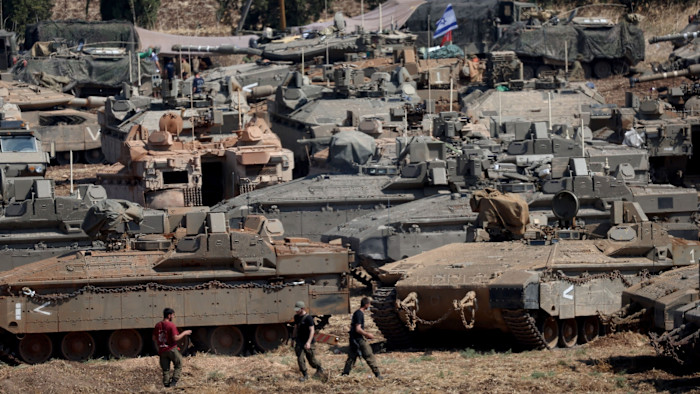
TEHRAN: The Israel Defense Forces (IDF) have initiated limited and targeted ground operations in southern Lebanon, focusing on Hezbollah strongholds and infrastructure.
This is part of an enhanced forward defense posture amid the broader regional conflict involving Iran. Reports indicate IDF troops from divisions like the 91st are conducting incursions to dismantle militant positions, push Hezbollah forces northward, and secure areas near the border to protect northern Israel.
While described as “limited” in recent announcements, preparations suggest potential for significant expansion, including seizing territory south of the Litani River—potentially resembling operations in Gaza—with reinforcements and reserves mobilized in recent days.
This escalation follows ongoing airstrikes and comes against the backdrop of the wider US-Israel-Iran war, where Hezbollah has been actively involved. In a related development, US fighter jets have struck military facilities on a mountain near Iran’s Chabahar Free Trade Zone in southeastern Iran (Sistan and Baluchestan Province, close to the Pakistan border). Explosions were reported in the area, marking another phase of direct US involvement in strikes on Iranian targets.
This occurs as the conflict—now in its third week—continues with bombardments across Iranian cities and counterattacks affecting Israel and Gulf shipping. Iran’s Foreign Minister Abbas Araghchi has stated that Tehran is “not interested” in talks with the US, rejecting negotiations or a ceasefire.
He emphasized no reason to engage, citing past experiences where talks preceded attacks, and affirmed Iran’s readiness to defend itself “as long as it takes.” This pushes back against US President Donald Trump’s claims that Iran seeks a deal to end the war, though Araghchi noted openness to discussions with other countries on allowing select oil tankers through the Strait of Hormuz.
Meanwhile, President Trump is pressing NATO allies and China to assist in reopening the Strait of Hormuz, which has faced disruptions from Iranian actions. He warned NATO of a “very bad” future if allies fail to help secure the waterway (vital for global oil flows) and suggested China—reliant on the strait for much of its oil imports—should contribute warships or forces. Trump indicated he might delay a planned summit with Chinese President Xi Jinping if Beijing does not respond positively.
He has called on multiple nations (including France, Japan, South Korea, and Britain) to deploy assets for escort missions or to keep the strait open amid rising tensions and economic impacts like soaring oil prices.
These developments reflect heightened escalation across multiple fronts in the ongoing regional conflict.













 have initiated limited and targeted ground operations in southern Lebanon, focusing on Hezbollah)