Ansar M Bhatti
ISLAMABAD: US and Iranian teams could return to Islamabad for the second round of peace talks this week, according to sources. The second round of US-Iran negotiations is expected within days as mediation efforts continue, sources said. Management of a five-star hotel in Islamabad, which hosted the first round, has already been asked to prepare for the delegations again.
The hotel has not been given an exact date yet but has been told to stay ready. It is hoped that some breakthrough could be achieved during this second round of talks.
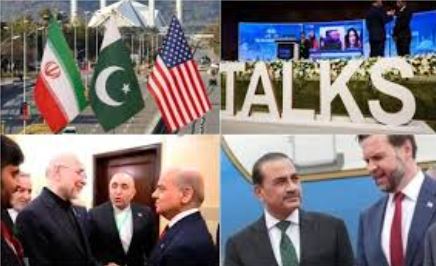
The first round of high-level, face-to-face negotiations took place on April 11-12, 2026, at Islamabad’s Serena Hotel. Although no agreement was reached after more than 20 hours of discussions, both sides and Pakistani mediators kept the door open for further talks before the current ceasefire expires.
Pakistan is continuing its mediation role, and preparations in the capital are already picking up pace again. This remains a fast-moving story with major implications for regional stability.
US Vice President JD Vance and Iranian Parliamentary Speaker Mohammad Baqer Qalibaf led their respective delegations in the last round of talks to work out a slew of issues, including the Strait of Hormuz, a major transit point for global energy supplies that Iran has effectively blocked but the US has vowed to reopen, as well as Iran’s nuclear programme and international sanctions on Tehran.
Vance told reporters after the talks ended that “We leave here with a very simple proposal, a method of understanding that is our final and best offer.”
The initial round of US-Iran talks, hosted by Pakistan in Islamabad, brought together senior delegations in what officials described as intensive, closed-door negotiations aimed at ending weeks of conflict. The trilateral ‘Islamabad Talks’ lasted nearly 21 hours after beginning on the afternoon of April 11, reflecting the complexity and high stakes involved.
Despite extensive discussions, the first round ended without a formal agreement. Officials in Islamabad, however, viewed the meeting as a significant step in opening direct channels of communication between Washington and Tehran.
The Islamabad talks were widely seen as a rare instance of direct engagement facilitated by a third party, with Pakistan coordinating closely with both sides to bring them to the table. Officials familiar with the process said the discussions focused on narrowing differences over ceasefire terms, regional security and broader political concerns.