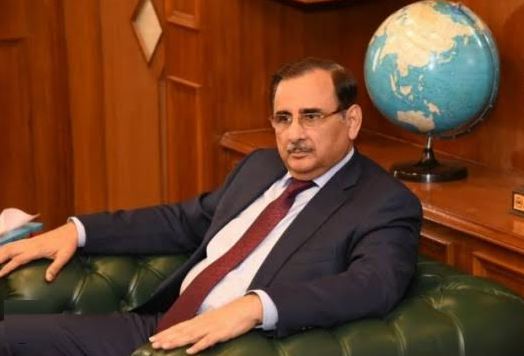
Anjum Nisar urges govt to protect overseas employment and strengthen export competitiveness
ISLAMABAD, MAY 31: /DNA/ – The Federation of Pakistan Chambers of Commerce and Industry’s (FPCCI) Businessmen Panel (BMP) has expressed serious concern over the growing economic fallout of continued uncertainty in the Gulf region, warning that Pakistan’s remittance inflows, exports and overall external sector could face increasing pressure if the situation persists.
In a statement issued here today, FPCCI former president and BMP Chairman Mian Anjum Nisar said that the Middle East remains one of Pakistan’s most critical economic partners, providing a major share of the country’s remittances, energy supplies and export opportunities. Any prolonged instability in the region, he said, would inevitably affect Pakistan’s economic recovery efforts and weaken the fragile gains achieved in recent months.
He observed that concerns are already emerging in financial markets regarding a possible slowdown in remittance inflows from Gulf countries, particularly at a time when overseas Pakistanis traditionally send higher amounts home ahead of Eidul Azha and other religious occasions. According to market reports, remittance growth has shown signs of moderation after recording exceptionally strong inflows earlier in the fiscal year.
Mian Anjum Nisar noted that remittances remain the most reliable source of foreign exchange for Pakistan, helping support the rupee, finance imports and reduce pressure on external accounts. He said any disruption in labour markets across Gulf economies could directly affect millions of overseas workers and, consequently, Pakistan’s foreign exchange earnings.
“More than half of Pakistan’s remittances originate from Gulf countries. Any slowdown in economic activity, reduction in employment opportunities or uncertainty in those markets can significantly impact inflows and create additional pressure on the country’s balance of payments position,” he remarked.
The BMP chairman pointed out that reports regarding job losses and shrinking opportunities for Pakistani workers in some Gulf states cannot be ignored. While official data may not yet reflect the full extent of the situation, concerns among overseas Pakistanis and recruitment agencies indicate that labour markets are becoming increasingly competitive amid changing economic conditions and nationalisation policies in several Gulf countries.
He said that countries across the region are accelerating localisation programmes aimed at increasing employment opportunities for their own citizens. Such measures, while understandable from the perspective of host nations, could gradually reduce demand for foreign workers in certain sectors where Pakistanis have traditionally been employed.
Mian Anjum Nisar further stated that uncertainty in major business hubs, particularly Dubai, has also raised concerns among Pakistani entrepreneurs, professionals and technology firms operating there. According to business circles, sectors such as tourism, real estate and services have experienced slower activity due to geopolitical tensions and changing investor sentiment.
“Thousands of Pakistanis are directly or indirectly linked with these sectors. If business conditions continue to deteriorate, many expatriate workers and professionals may face challenges in retaining jobs or expanding their businesses,” he added.
The BMP chairman stressed that Pakistan’s external sector remains highly vulnerable because of its heavy dependence on overseas remittances and imported energy. Rising petroleum prices linked to regional tensions are already increasing transportation and production costs, making Pakistani exports less competitive in international markets.
He noted that exporters are struggling with high electricity tariffs, expensive financing and increasing logistical costs. Any further increase in energy prices would weaken industrial competitiveness and create additional difficulties for manufacturers already operating under challenging conditions.
According to Mian Anjum Nisar, Pakistan’s foreign direct investment inflows remain far below potential despite some improvement in macroeconomic indicators. Investors continue to seek stable policies, predictable regulations and a conducive business environment before making long-term commitments.
“While Pakistan has managed to improve its standing in international financial markets and secure external financing through different instruments, sustainable economic growth cannot depend solely on borrowing. The country must create conditions that attract productive investment and encourage export-led growth,” he said.
The BMP chairman also highlighted the need for diversification of both export destinations and remittance sources. He said Pakistan should strengthen economic relations with emerging markets while simultaneously expanding opportunities for skilled workers in Europe, North America and other regions to reduce excessive dependence on any single geographical area.
He urged policymakers to closely monitor developments in the Gulf and formulate contingency plans to address potential disruptions in remittance flows, trade routes and labour markets. Strengthening foreign exchange reserves, facilitating exports and supporting overseas Pakistanis should remain among the government’s top priorities, he added.
Mian Anjum Nisar emphasized that overseas Pakistanis have consistently played a vital role in supporting the national economy during difficult periods. Protecting their interests and ensuring continued access to international employment opportunities is therefore essential for long-term economic stability.
He said the government should intensify diplomatic engagement with Gulf countries, explore new labour agreements and invest in skill development programmes that enhance the competitiveness of Pakistani workers in international markets.
The BMP chairman concluded that while regional conflicts remain beyond Pakistan’s control, timely economic planning and proactive policymaking can help minimise the negative impact. He stressed that close coordination between the government, financial institutions and the business community will be necessary to safeguard remittances, maintain market confidence and support economic growth in an increasingly uncertain global environment.