The Israel Defense Forces launched targeted, precise missile strikes on the Dahiyeh neighborhood in Beirut’s southern suburbs
Centreline Report
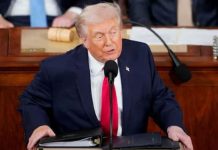
TEHRAN: A high-stakes diplomatic race between Washington and Tehran has collided with a dangerous spike in regional violence. Even as U.S. President Donald Trump pushes for an immediate signing of a new Middle East framework agreement, Iranian state media reports that Tehran is slow-walking the process—accusing Trump of seeking personal mileage to celebrate his 80th birthday today, June 14, while Israeli airstrikes rock the Lebanese capital.
A major diplomatic showdown is unfolding on the timeline of the U.S. President’s birthday celebrations. While President Trump announced that a major Memorandum of Understanding to end the wider West Asia war and reopen the strategic Strait of Hormuz was close to being finalized, Tehran has aggressively put on the brakes. Iranian state negotiators flatly rejected the U.S.-driven timeline, with the Revolutionary Guards-affiliated Fars News Agency stating that Tehran has not yet taken or announced its final decision as experts continue to review the political, technical, and legal aspects of the framework.
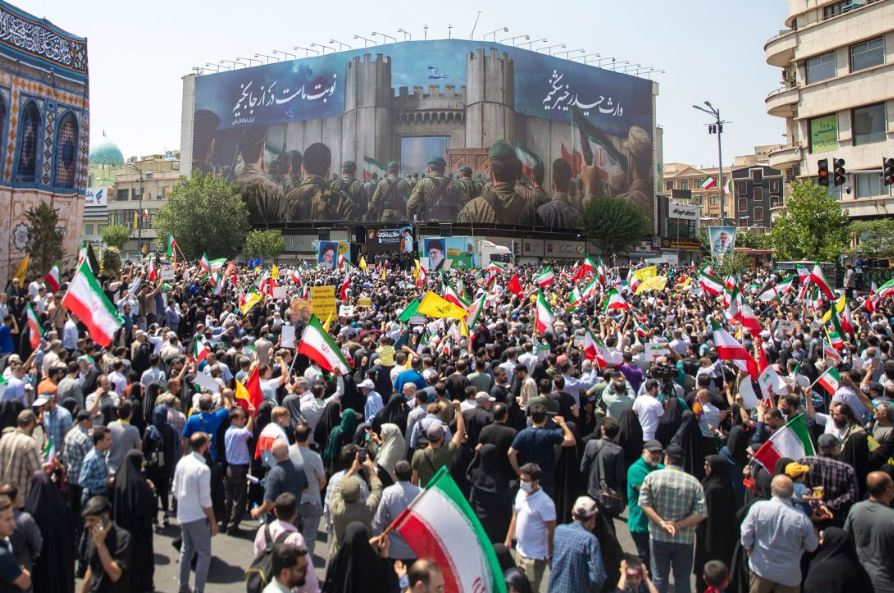
State-linked channels explicitly criticized Trump’s unusual insistence on signing the preliminary deal today, accusing the U.S. administration of trying to turn a sensitive national security agreement into a symbolic publicity event and political propaganda maneuver for the President’s personal benefit. Iranian officials clarified that while a deal in the coming days remains possible, it would certainly not happen today. Hardline factions within Iran have also launched street protests in cities like Mashhad, accusing their own diplomatic team of offering too many concessions to Washington.
Compounding the diplomatic gridlock, the battlefield in Lebanon has flared up violently, threatening to derail the fragile U.S.-led talks entirely. The Israel Defense Forces launched targeted, precise missile strikes on the Dahiyeh neighborhood in Beirut’s southern suburbs. According to joint statements from Israeli Prime Minister Benjamin Netanyahu and Defense Minister Israel Katz, the airstrikes targeted a Hezbollah command center. The attack resulted in casualties and sent thick plumes of smoke over the Lebanese capital. Israel stated the bombardment was a direct retaliation after Hezbollah launched projectiles and drones into northern Israeli territory earlier in the day.
The escalation strikes a direct blow to the peace process, as Iran has repeatedly insisted that a total cessation of hostilities in Lebanon is a non-negotiable prerequisite for any broader regional agreement with the United States. Following the strikes in Beirut, Ebrahim Rezaei, spokesperson for Iran’s parliamentary national security committee, issued a sharp warning to Washington, stating that if the United States seeks an agreement, it must control the Zionist regime, or it will ruin the agreement before the ink is dry.
As Qatari mediators land in Tehran to salvage the multi-nation framework, the dual pressures of military escalation in Lebanon and political friction over the signing timeline leave the fate of the historic U.S.-Iran MoU hanging in the balance.