For decades, Pakistan’s economic reliance on the Gulf Cooperation Council has been comforting, linear, and fundamentally predictable. We exported low-skilled labor, imported crude oil, and relied on a steady floor of worker remittances to cushion our perennial current account shocks. In the past, whenever our fiscal reserves dried up and default loomed, Islamabad’s playbook was predictable: a flurry of high-profile diplomatic visits to Riyadh or Abu Dhabi to secure central bank deposits or deferred oil payments. That transactional safety net is now gone. A harsh mix of regional security risks and a calculated shift in how Gulf states deploy their financial weight has disrupted the old way of doing business.
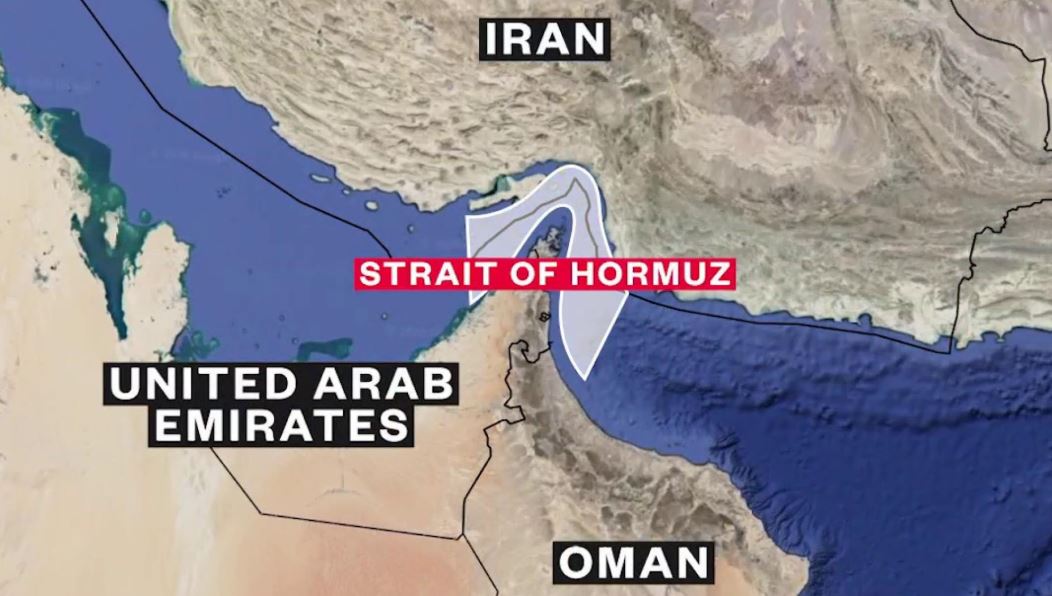
The immediate trouble is down at the docks. Recent geopolitical skirmishes and drone strike on Middle Eastern shipping lanes have choked the Strait of Hormuz. This hits Pakistan disproportionately. Nearly four-fifths of our trade with the Gulf depends entirely on a single transit point: Dubai’s Jebel Ali port. This extreme geographic concentration has left our export sector completely exposed. When major shipping lines suspended or throttled operations through these waters, the financial fallout was immediate and severe, causing our exports to Gulf economies to slip during the peak of the logistical turmoil.
This supply chain shock is happening just as Gulf states execute a permanent shift in their economic strategies. Led by Saudi Arabia’s Vision 2030 and the UAE’s focus on a hyper-diversified economic footprint, Gulf capital is no longer interested in unconditional financial cushions. Their strategy has shifted entirely toward equity investments, tangible asset acquisition, and strategic economic integration. Through the Special Investment Facilitation Council, Islamabad has attempted to meet these new terms by marketing a pipeline of sovereign-grade projects tailored for Gulf sovereign wealth funds across corporate farming, mineral extraction, and renewable energy.
Crucially, as Pakistan begins to phase out its stringent domestic austerity measures and looks toward industrial revival, the pressure to secure robust foreign exchange streams becomes even more urgent. However, macroeconomists must view this influx of investment with sober caution. If incoming Gulf capital is utilized merely to plug short-term fiscal gaps or fund localized real estate ventures, it will do little to alter Pakistan’s precarious economic trajectory. Investment must be strictly tied to generating a sustainable, competitive exportable surplus.
The asymmetry in our current trade profile remains alarming. Our overall export footprint in the Gulf is hitting a hard glass ceiling because traditional commodities like textiles, rice, and raw meat face brutal pricing competition from alternative Asian suppliers. To achieve a true breakthrough, our export basket must undergo immediate, radical diversification into non-traditional, high-value sectors. Fortunately, the government has begun identifying where this high-value pivot can happen. Pakistan’s aggressive marketing of advanced military hardware at the World Defense Show in Riyadh demonstrated that our state-backed military engineering can align with the localized defense spending goals of Gulf states. Similarly, the growing participation of Pakistani medical and light engineering firms at major regional exhibitions proves that localized tech can find a foothold in premium markets. Additionally, the information technology sector requires no heavy maritime freight infrastructure, allowing it to bypass the physical bottlenecks that currently cripple our shipping routes.
The upcoming operationalization of the Pakistan-GCC Free Trade Agreement promises to dismantle tariff barriers and lower the costs of vital energy imports. Yet, a trade agreement is merely an open door; domestic industries must still step through it with competitive, reliable goods. To survive the Hormuz trap and sustain economic growth beyond the austerity era, Pakistan needs a cohesive three-pronged domestic policy adjustment.
First, we must rapidly diversify our trade logistics. Relying almost entirely on a single Gulf transit port is an unsustainable hazard. Emergency measures, such as deploying Pakistan National Shipping Corporation vessels to secure fuel imports and launching alternative commercial shipping routes to ports like Khorfakkan, must become permanent fixtures of our maritime strategy. Second, the Trade Development Authority must enforce zero-tolerance compliance with Gulf quality standards to prevent costly cargo rejections. Third, we must intentionally upgrade our labor export profile. The Gulf no longer needs an endless supply of low-skilled construction labor. Pakistan must deliberately train and export tech professionals, financial analysts, and healthcare workers who command higher wages and remit higher per-capita value back home.
Economic diplomacy cannot exist in a vacuum. The road to a resilient, balanced relationship with the Gulf does not run through the central bank vaults of our allies. It runs through our own industrial estates, our software houses, and our tech incubators. If Pakistan fails to build the internal capacity to export high-value goods and secure its supply chains, we will find ourselves left behind in a rapidly changing regional economy.