ISLAMABAD, Sep 12: Experts and former diplomats have called for urgent and sustainable funding for the United Nations human rights system, warning that a lack of resources is weakening efforts to protect people in occupied territories and conflict-hit regions.
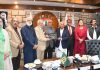
Speaking at a seminar hosted by the World Muslim Congress on the sidelines of the 63rd session of the UN Human Rights Council, the speakers said financial constraints were affecting the ability of the UN human rights mechanisms to monitor violations, document abuses and ensure accountability.
The speakers expressed particular concern over the human rights situation in Indian-occupied Kashmir, saying the silencing of rights groups and human rights defenders had made independent documentation of alleged violations increasingly difficult, said a press released received here on Saturday.
They said stronger and adequately funded UN mechanisms were needed to ensure accountability and uphold international law in Kashmir and other occupied territories.
The panel also highlighted the situation in Palestine and other conflict-affected regions, warning that underfunding treaty bodies and UN Special Procedures could weaken the international community’s ability to document alleged atrocities and protect vulnerable populations.
The speakers called for equitable and sustainable funding to enable the UN to effectively monitor human rights violations, protect human rights defenders and ensure that international law was applied consistently to all occupying powers.
They warned that continued underfunding of the UN human rights system was not merely an administrative issue but could undermine international accountability and access to justice for affected populations.
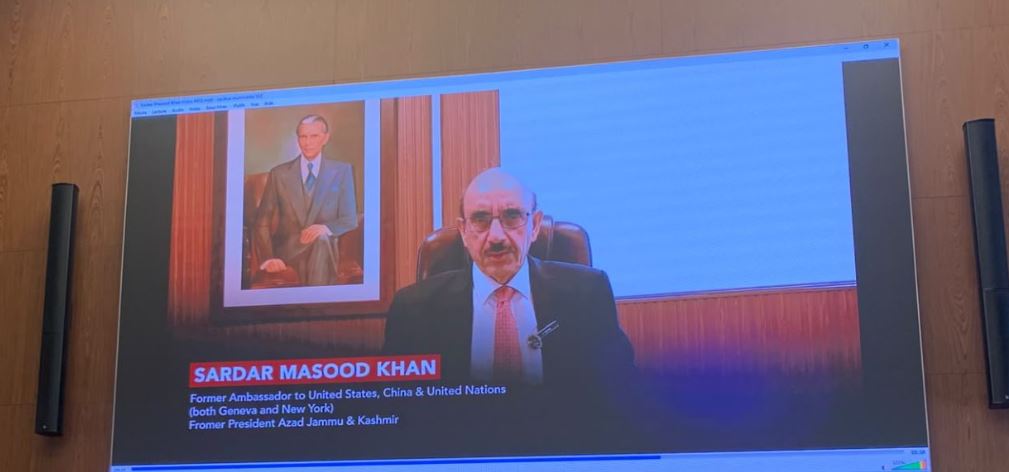
The panel included former President of Azad Jammu and Kashmir Ambassador Sardar Masood Khan, former UN Independent Expert Alfred de Zayas, former Federal Minister for Law and Justice Ahmer Bilal Soofi, Dr Blerim Mustafa, Professor Octavia Chereze, Nimakta Farnadoo and Altaf Hussain Wani.