

T.M Awan
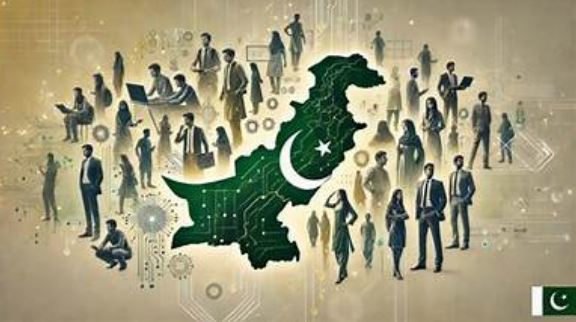
Pakistan’s greatest strategic asset is not found beneath the ground or along its borders. It is the energy, talent, and potential of its young people. With nearly 70 percent of the population under the age of 30, Pakistan possesses one of the largest youth populations in the world. The challenge is ensuring that this demographic advantage becomes a driver of economic growth rather than a missed opportunity.
Recognizing this reality, the federal budget for FY 2026-27 has placed considerable emphasis on youth development through allocations for education, skills training, entrepreneurship, digital innovation, and employment generation. Such investments reflect a growing understanding that sustainable economic progress depends on empowering the country’s younger generation.
Across the world, economic success is increasingly linked to human capital. The modern economy rewards skills, innovation, adaptability, and technological competence. Nations that have invested in their youth through education and workforce development have been able to accelerate growth, attract investment, and compete effectively in the global marketplace. Pakistan must pursue a similar path if it wishes to realize its economic potential.
One of the most significant aspects of the government’s youth agenda is the emphasis on skills development. Traditional educational qualifications alone are no longer sufficient to meet the demands of a rapidly changing labour market. Employers increasingly seek expertise in digital technologies, artificial intelligence, data analytics, and other emerging fields. Expanding technical and vocational training programmes can help bridge the gap between education and employment while preparing young Pakistanis for opportunities both at home and abroad.
Entrepreneurship represents another critical pillar of youth empowerment. In many developing economies, small and medium-sized enterprises serve as engines of job creation and innovation. Providing young entrepreneurs with access to financing, mentoring, and business development support can help transform promising ideas into productive enterprises. More importantly, entrepreneurship encourages a shift from job-seeking to job-creation, generating opportunities not only for business owners but also for others entering the workforce.
Agriculture, which remains a cornerstone of Pakistan’s economy, also offers significant opportunities for youth engagement. Modern farming techniques, agritech solutions, value-added production, and agribusiness ventures can attract young talent to a sector that is essential for food security and economic stability. Supporting youth-led agricultural enterprises can contribute to both rural development and national growth.
Digital transformation is equally important. Technology has become a powerful equalizer, enabling talented individuals to access opportunities regardless of geography. Digital platforms connecting young people with scholarships, internships, employment opportunities, and entrepreneurial resources can help reduce information barriers and promote merit-based access. Expanding digital inclusion will be critical for ensuring that opportunities reach youth across all regions of the country.
An encouraging feature of current youth initiatives is the focus on inclusion. Women, particularly in rural and underserved communities, often face barriers to education, employment, and entrepreneurship. Expanding access to economic opportunities for young women is not only a matter of social justice but also an economic imperative. Greater female participation in the workforce can contribute significantly to productivity, household incomes, and national development.
Youth development also extends beyond economics. Programmes focused on sports, volunteerism, leadership, and community engagement help foster responsible citizenship and social cohesion. Young people who are actively involved in constructive activities are better equipped to contribute positively to society and national development.
However, budgetary allocations alone cannot guarantee success. Effective implementation remains the key challenge. Pakistan continues to face issues of youth unemployment, underemployment, and skills mismatches. Addressing these concerns requires close coordination between government institutions, educational organizations, and the private sector. Training programmes must remain aligned with market needs, and policies should be regularly evaluated to ensure measurable outcomes.
The private sector’s role is particularly important. Sustainable employment opportunities ultimately emerge from economic growth and business expansion. Strong partnerships between industry and educational institutions can help ensure that graduates possess the skills employers actually require.
Pakistan’s demographic profile presents a rare opportunity. Few countries enjoy such a large and dynamic youth population. If properly educated, skilled, and empowered, today’s young Pakistanis can become tomorrow’s entrepreneurs, innovators, professionals, and leaders.
The true measure of success will not be the size of budget allocations but the opportunities created and the lives transformed. Investing in youth is ultimately an investment in Pakistan’s future prosperity. If managed wisely, the country’s demographic advantage can become one of its greatest strengths in the decades ahead.
(The writer is a Media, Strategic Communication and International Relations Professional. He posts on X: @TMAwanOfficial)