
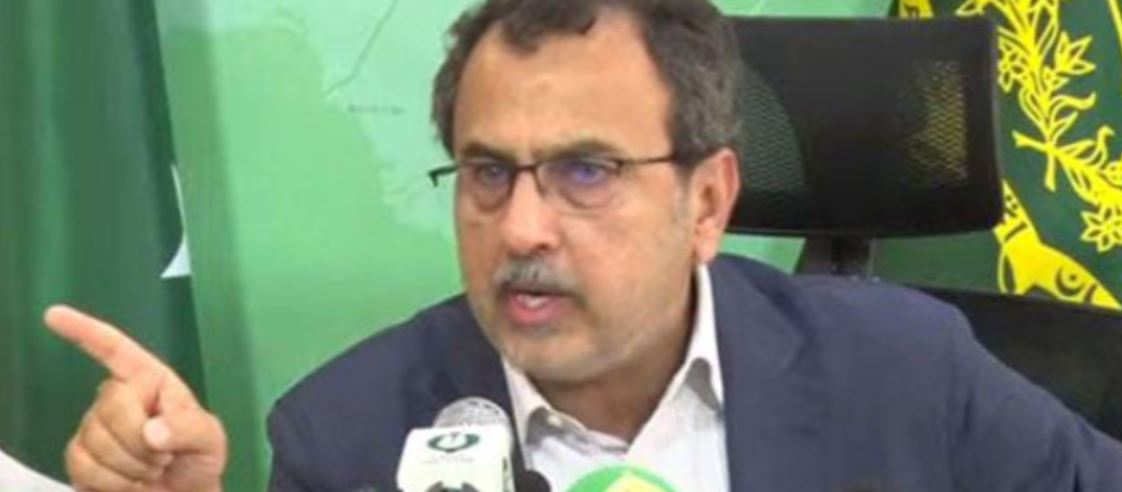
ISLAMABAD, SEP 7 (DNA): Federal Minister for Energy (Power Division), Sardar Awais Ahmad Khan Leghari on Monday welcomed the decision of the National Electric Power Regulatory Authority (NEPRA) on the determination of the Use of System Charge for open access users of the electricity network under the Competitive Trading Bilateral Contract Market (CTBCM) regime.
The minister said that the determination of the Use of System Charge is a historic milestone in the reform and modernization of Pakistan’s power sector. It was the final critical regulatory step required for operationalizing open access under CTBCM, paving the way for the issuance of the RFP for Pakistan’s first CTBCM auction process, said a press release.
He said that establishing a competitive electricity market is a key component of the broader power sector reform agenda, under which the necessary institutional, regulatory, technical and market requirements have been addressed to move Pakistan from the traditional single-buyer electricity market towards a competitive and consumer-oriented electricity market.
With this development, eligible industrial consumers will, for the first time, be able to bilaterally procure electricity from their choice of power suppliers through a competitive market mechanism, rather than being restricted to purchasing electricity solely from their respective distribution companies, he added.
Leghari said that the benefits of a competitive market will not be limited to industrial consumers but also have the potential to benefit ordinary consumers. Greater competition in power procurement can encourage more efficient generation, improve utilization of existing power plants, create incentives for better-priced and reliable electricity supply, and reduce inefficiencies across the electricity value chain.
He said that the competitive market will also support greater participation of renewable energy, battery energy storage and other flexible energy resources. This can help improve the utilization of indigenous and low-cost energy resources, enhance the reliability of the power system and reduce dependence on expensive imported fuels.=DNA