LAHORE, MAY 10 /DNA/ – The Pakistan Furniture Council (PFC) has expressed serious concern over the Punjab government’s decision to impose a 0.9 per cent Infrastructure Development Cess, cautioning that such measures could further increase the cost of doing business and weaken Pakistan’s already fragile industrial competitiveness.
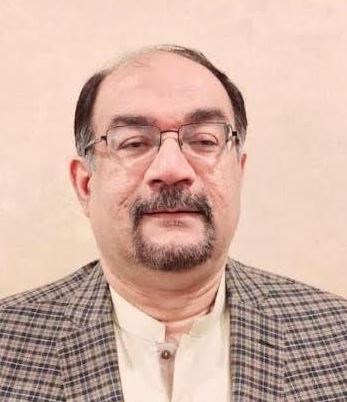
In a statement issued on Friday, PFC Director Shahbaz Aslam said that the furniture and allied industries are already facing multiple challenges, including rising raw material costs, expensive energy, inflationary pressure, and intense global competition, leaving little room for additional financial burdens.
He noted that Pakistan’s furniture industry has strong potential in wooden handicrafts, modern furniture designs, and value-added interior solutions, but inconsistent policies and additional levies continue to discourage investment and limit market expansion.
Shahbaz Aslam said that manufacturers in the furniture sector are already operating under tight margins due to high production costs and fluctuating demand in international markets. In such conditions, any additional cess or tax would directly reduce competitiveness and make it harder for Pakistani industry players to secure business orders abroad.
The PFC director stressed that manufacturing industries should be treated as strategic assets for the national economy rather than sources of additional taxation. He said that instead of introducing new levies, governments should focus on improving infrastructure, reducing input costs, and facilitating industry through ease-of-doing-business reforms.
He also highlighted that the furniture industry in Pakistan is largely composed of small and medium enterprises (SMEs), which are highly sensitive to cost increases and policy uncertainty. Any additional burden could slow down production activity and discourage new entrepreneurs from entering the sector.
Shahbaz Aslam urged policymakers to engage with industry stakeholders before introducing any new taxes or regulatory measures, stating that meaningful consultation is essential for sustainable economic planning.
Shahbaz Aslam reiterated that the furniture industry has the potential to contribute significantly to economic development if supported with consistent policies, modern industrial infrastructure, and access to affordable financing.