The Persian Gulf Strait Authority (PGSA) will approve ship transits, collect tolls, and position itself as the primary authority for passage through the narrow waterway
DNA
Tehran, May 8 — Iran has launched a new government agency to regulate shipping traffic and impose tolls on vessels passing through the strategic Strait of Hormuz, even as it redirects a seized tanker and its foreign minister accuses the United States of undermining diplomatic efforts with military actions.
The Persian Gulf Strait Authority (PGSA) will approve ship transits, collect tolls, and position itself as the primary authority for passage through the narrow waterway, which handles a significant portion of global oil trade. According to shipping intelligence firm Lloyd’s List, the agency has begun emailing application forms to operators and is requiring permissions, payments in Iranian rials via local banks, and adherence to specific corridors and conditions.
This development comes amid heightened tensions in the region. Iran has effectively controlled or disrupted traffic in the strait since late February 2026, contributing to spikes in global energy prices.Seized Tanker RedirectedIn a related incident, Iranian forces seized and redirected the US-sanctioned oil tanker Ocean Koi back to Iran’s southern shores. The Iranian navy described the operation in the Sea of Oman as targeting a vessel accused of attempting to “damage and disrupt Iran’s oil exports.” State television aired footage of forces boarding the ship.
Araghchi on US “Military Adventures”Iranian Foreign Minister Abbas Araghchi sharply criticized the US, stating that American military actions tend to occur “every time a diplomatic solution is on the table.” His comments followed reported US navy activities involving Iranian tankers and came as Tehran reviews US proposals aimed at ending hostilities.
“Every time a diplomatic solution is on the table, the US opts for a reckless military adventure,” Araghchi posted on X.
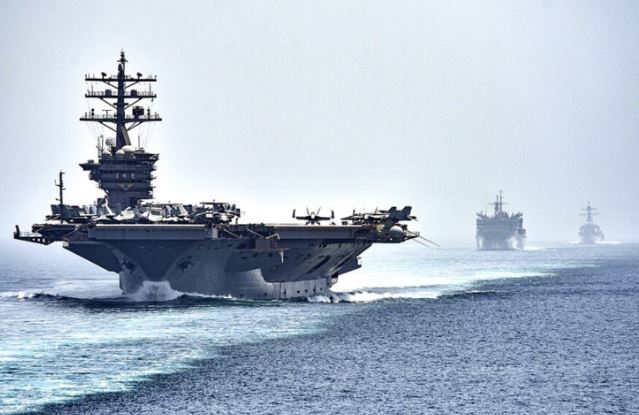
The moves coincide with reports of Tehran considering peace overtures from the Trump administration, though both sides continue to trade accusations and maintain pressure in the waterway. The establishment of the toll authority has sparked international concern over freedom of navigation principles under international maritime law.
Analysts note that any sustained toll regime could face pushback, including potential sanctions on companies that comply, while escalating risks to global energy supplies. Oil prices have reacted sensitively to developments in the strait throughout the crisis.